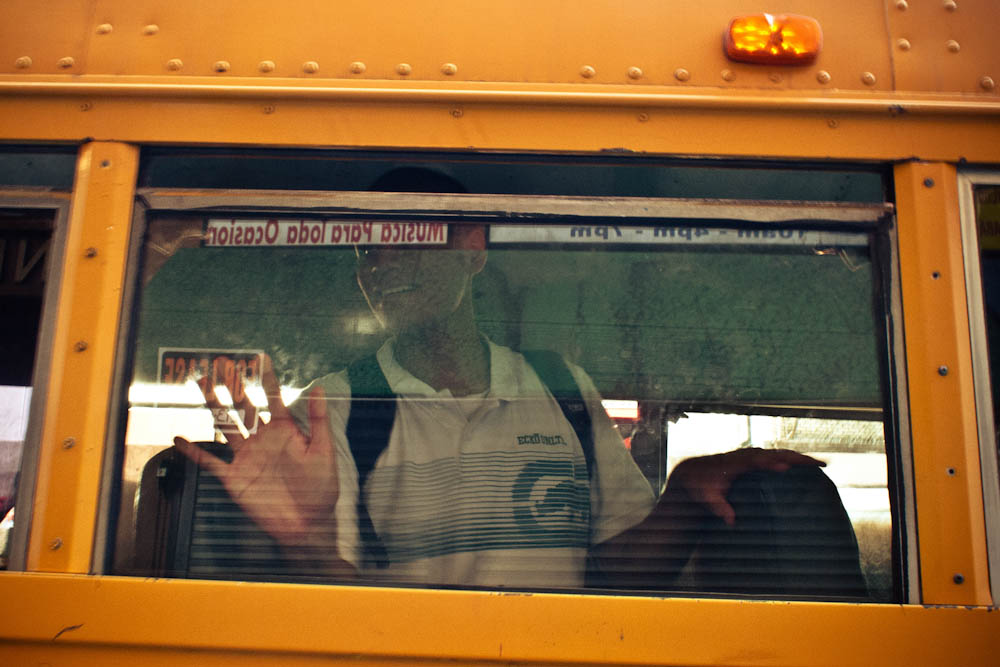
Picture
© Norman Estrologo
Street photography has encompassed my everyday life just by the way I see things. I see light peeking through buildings. I see split second interactions before they occur. And I see  the color of life, painted on an imaginary 4x6 frame drawn by my brain. Then that moment would be frozen in space and time only to be judged as worthy to share or not.

One photographer that has recently influenced my work is Stephen Shore. And through his photos, he describes the world as absurd and chaotic. “Photography is inherently an analytic discipline. Where a painter starts with a blank canvas and builds a picture, a photographer starts with the messiness of the world and selects a picture.” And how exactly did he show the chaos? He did this by shooting in color and giving life to each photo even if they contained nothing but abandoned gas stations and isolated phone booths.

Although modern color film has been around since 1935, when Kodak introduced Kodachrome, it was never a popular choice up until the 1960s. So before that, most of the ones we call masters of photography had no other option but to shoot in black and white. Monochrome has a certain subtle appeal that lets the viewer focus on the abstractions of reality and gives emphasis on emotion.Color seemingly shows too much and leaves little to the imagination. So the challenge is how do you kindle the interest of your viewer. People see color everywhere, so how would you produce an image so compelling that they take some time out of their day to look at. To answer that, I've compiled some images that I like from different photographers that I've met personally or have followed for a while.

1. Color and Light
Picture
© Rinzi Ruiz
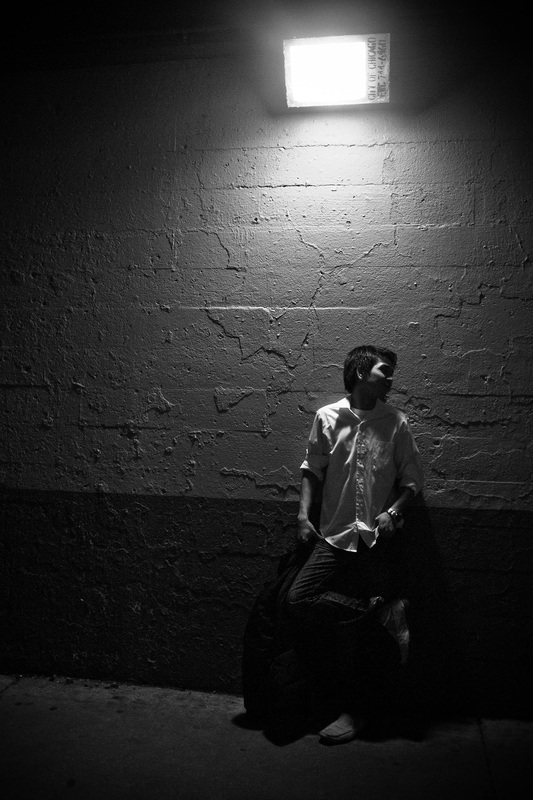
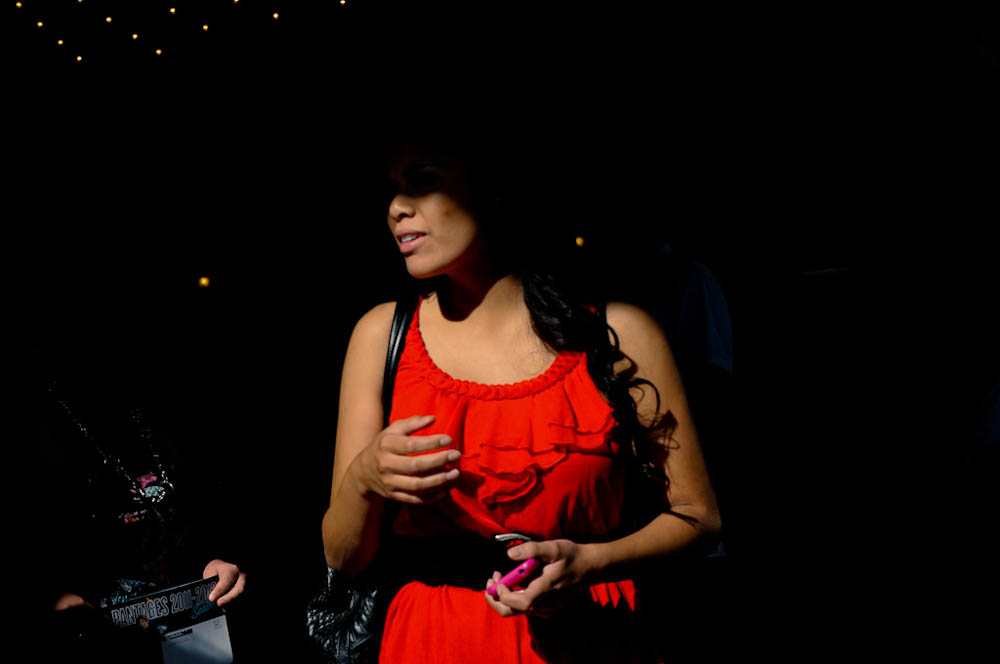
The reason why I love this image is because when I first started shooting, I had no idea how much of an impact light could have on an image. "Seeing in black and white is essentially seeing the light", as my friend Rinzi Ruiz would point it out to me. The reason why I used this reference in discussing color is because I first learned to see light and how I could make an image by chasing it and point my camera in that direction. Then I slowly began to learn how light can also affect how color is captured. Whether it would be black and white or color, light plays an important role in photography. Get it right and you have yourself a photo that has great tonal range and a good starting point in determining the strength of an image. Color reacts differently to light of different exposures. Too little light will give you a bland shade of color while too much blows out highlights. A well-exposed image however, leaves you less to deal with in post-process or development. Rich color and the right amount of saturation can anchor a viewer's eyes to an image. As Magnum Photographer Alex Webb would say about the title of his book, The Suffering of Light, he was always intrigued with how "colors emerged from the tension between lightness and darkness."

2. The single color
Picture
© Romeo Doneza
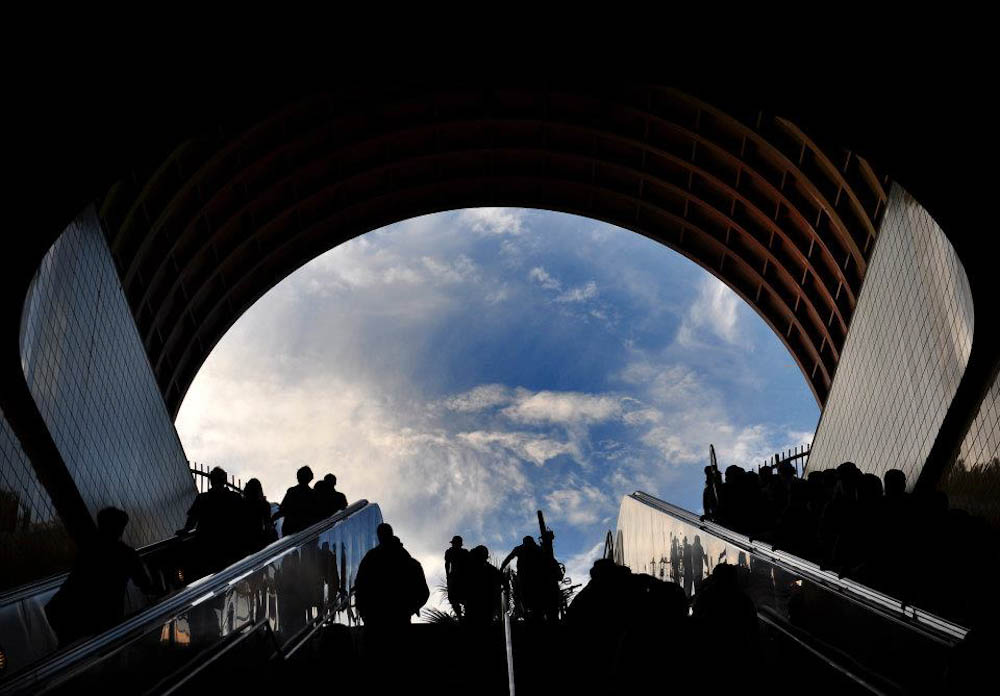
If the vastness of the world can be captured in one frame, I would imagine it to look something like this. Surely you can say that I'm taking my interpretation of the world and the chaos in color a bit too literal but then again this photo actually shows the opposite. The world is in color and the chaos in black and white. Again, I believe that my initial attention was captured by the richness of one prominent color within the frame. For me, learning to shoot in color starts out with adjusting the eyes to recognize one certain shade at a time.

3. The subtle color
Picture
© Bellamy Hunt aka Japan Camera Hunter
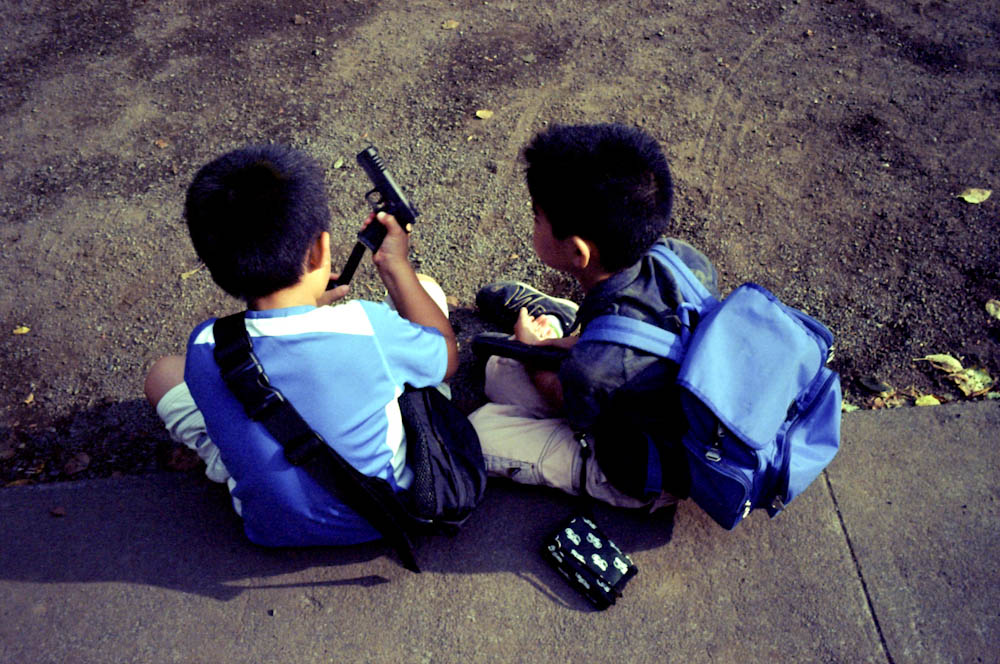
This photo rips a page straight out of the black and white photography book. So wait, I thought we agreed upon the notion that black and white was the more subtle and artistic choice but then we have this image, a photo softly focused on the two subjects. It shows a shade of blue and gray reminiscent of the strengths of a black and white photo. It reminds me of the chaos of the world but in a very gentle way that simultaneously reminds me of my carefree childhood. The color simply does not outshine the message and that's what a meaningful photo should be. It shouldn't just be about the way it was captured but about how the captured image affects you. “Colors, like features, follow the changes of the emotions.” - Pablo Picasso

4. What complements color?
Picture
© Danny Santos
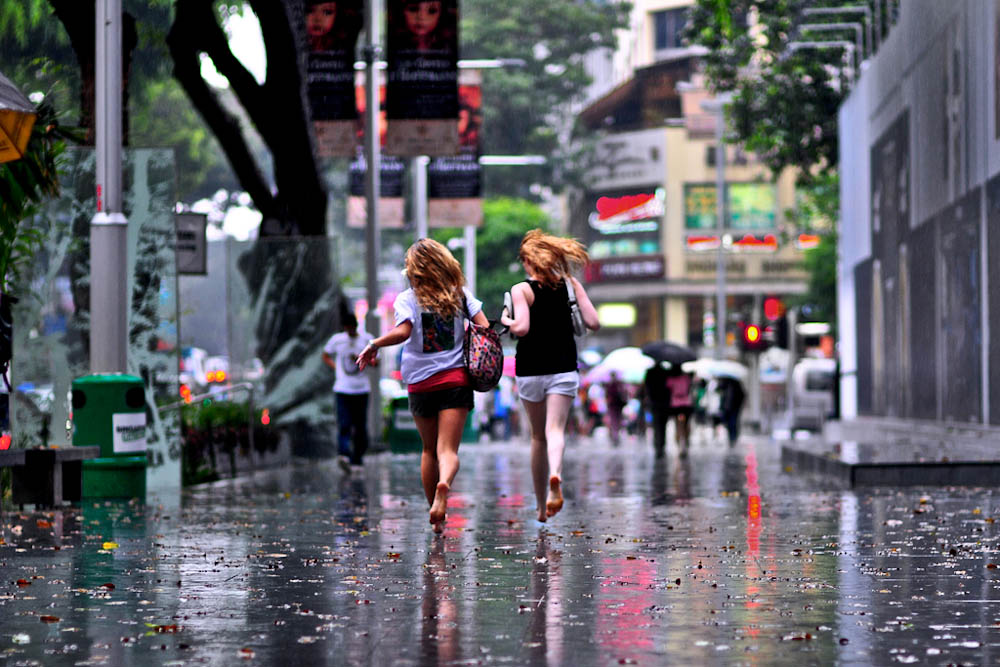
From the subtleties of color photographs to the outright erratic mix of hues, I love how colors reflect on any wet surface. They become truly something else, something that reminds me of wonderfully done oil paintings on canvass. The reason why I included this image is because it shows different ways to complement the color in an image. A decisive moment, characterized by excellent timing when pressing the shutter. Framing, by choosing which part of the photo the main subjects will appear. Blur, separating the background to emphasize the focus point. And of course, meaning. What does it all mean? Running bare-footed through the rain. Can you somehow connect it with a story of friendship? And how does color make this image easier for people to relate with?

5. The layers of color
Picture
© Eric Kim
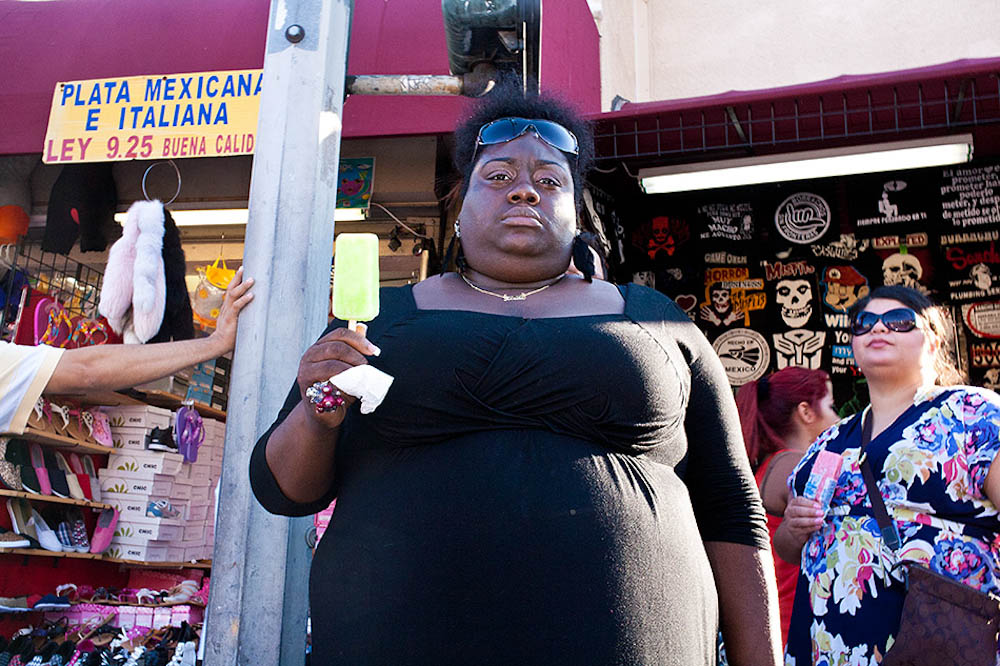
This is it. An image that somehow captures the different things I've learned and the different things I'm trying to look for in an image. The right amount of light, a good mix of subtle colors, social commentary and complementary characteristics like framing and timing. By layers of color I didn't mean literally like a rainbow but layers that are building blocks to a good strong image.

So there you have it, my short but detailed journey on what I've learned from shooting street photography in color.

"You can't be at the pole and the equator at the same time. You must choose your own line, as I hope to do, and it will probably be color."- Vincent Van Gogh

The title of this post is a line from the 1998 Belle and Sebastian song, The Boy with the Arab Strap, which also inspired me to write this post.

All of the images I used on this post was approved by the photographers and they retain full copyright.

Links to the photographers:
Eric Kim Street Photography Blog
Japan Camera Hunter
Rinzi Ruiz
Danny Santos
Romeo Doneza
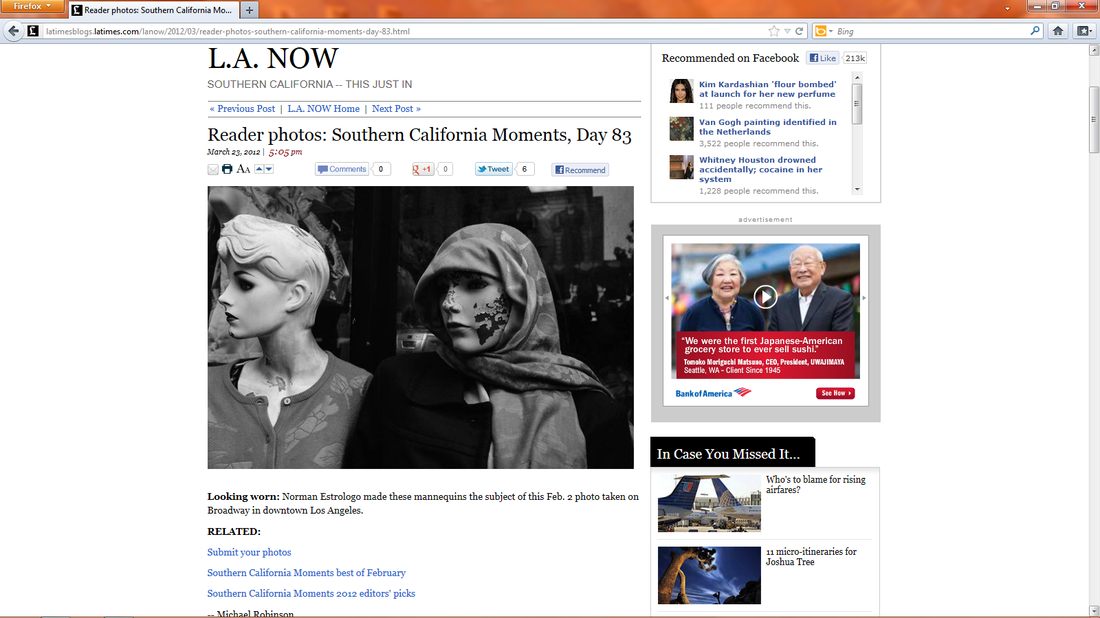
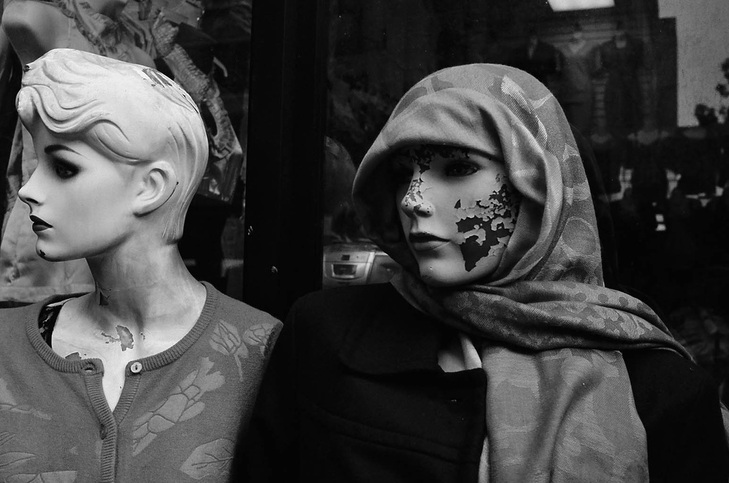
 
 
It's my second ever feature on the site and first for this year. As always, it's a big deal for me. Having a photo on display for hundreds or thousands of readers is always a good accomplishment. A little background on this photo. I was out one afternoon with Jason form SimpleStudio Lighting, Eric Kim (check out his world famous street photography blog) and his UC Riverside Extension Class. It was the first ever roll of film I shot with my Leica CL and I was just experimenting with the lighting since my camera didn't have a battery for the light-meter. While walking along Broadway St. in Downtown Los Angeles, I saw these two mannequins that reminded me of a Wee Gee quote I read at the Museum of Contemporary Art. I can't quite remember the exact words but the gist was that mannequins reminded Wee Gee of movie extras, they work hard and stand around all day but no one ever remembers or finds the time to know their names. Also, I was intrigued by the fact that even if one of the mannequins was severely scarred, the shop owner still utilized it by somehow covering part of the face. The lesson I got out of this photo that even if there are obvious imperfections, one can still excel in their own field.
 
 
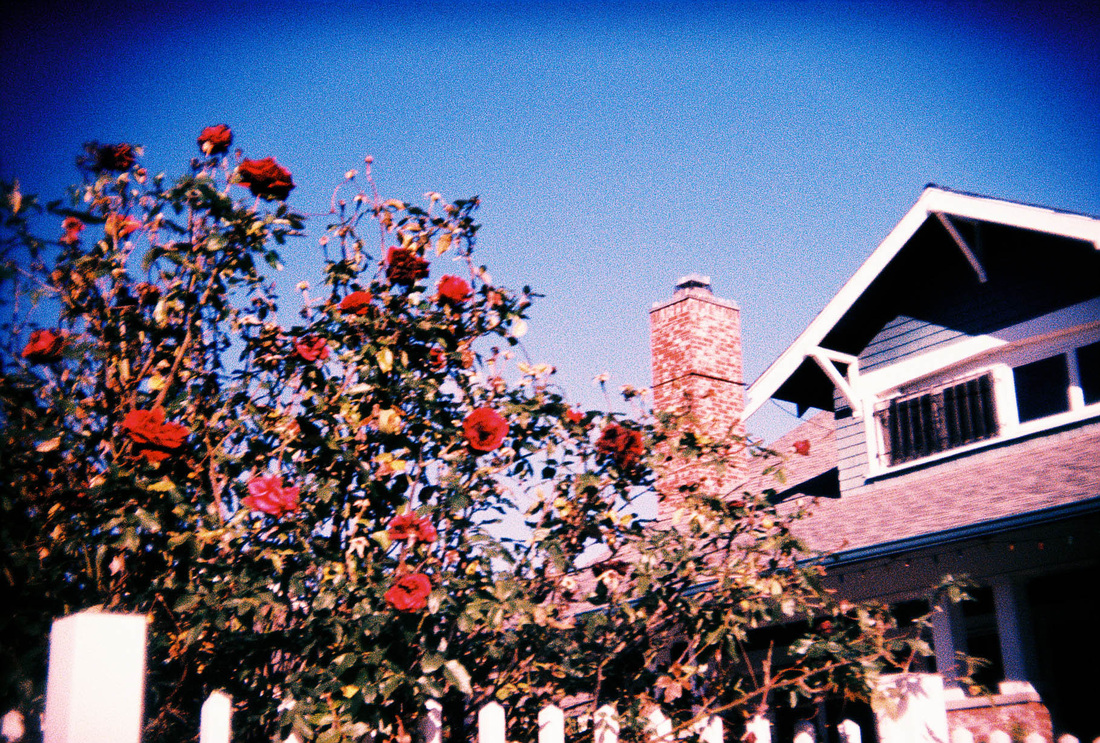
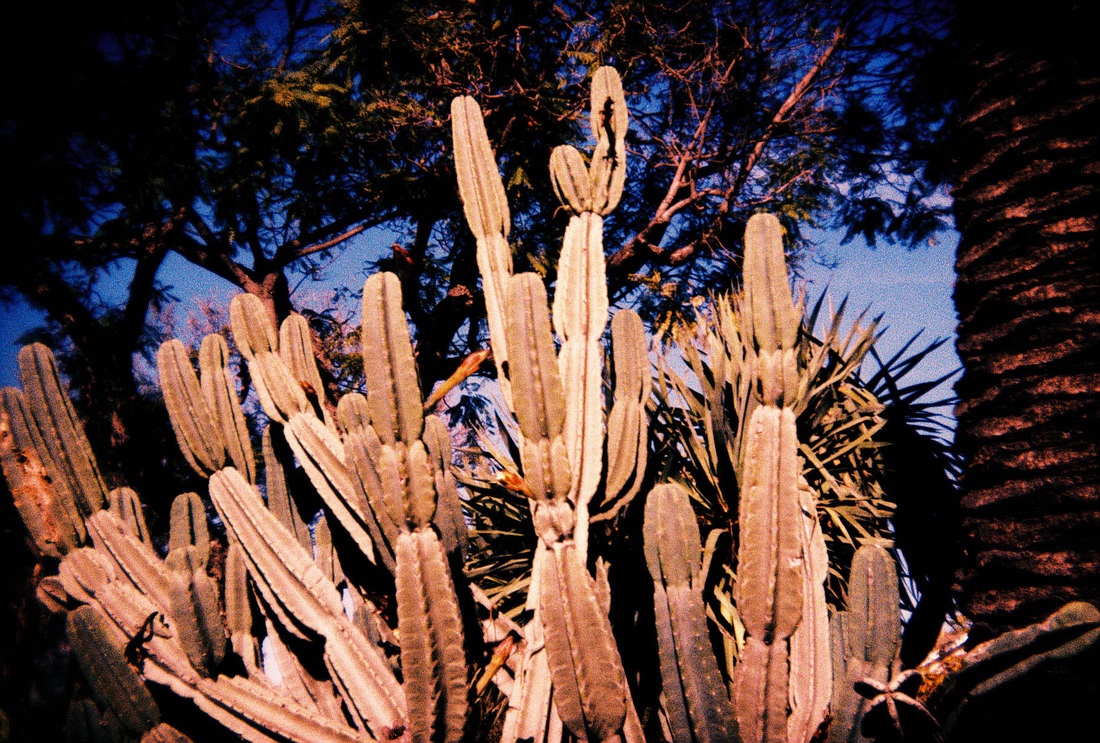
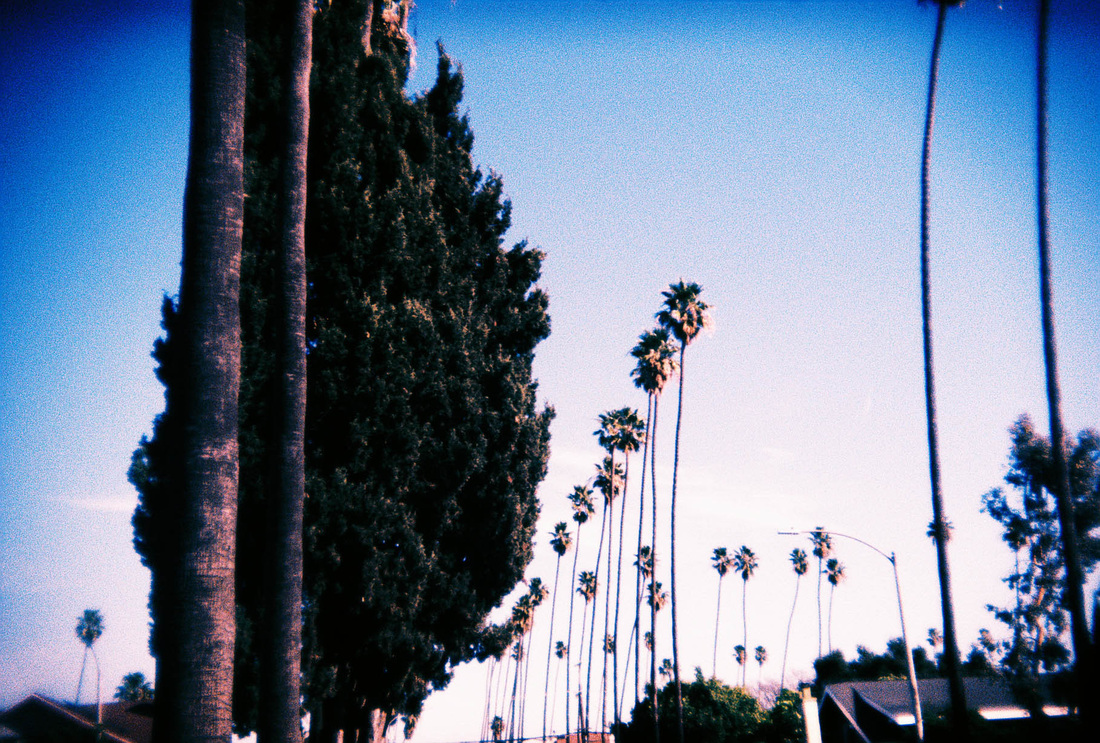
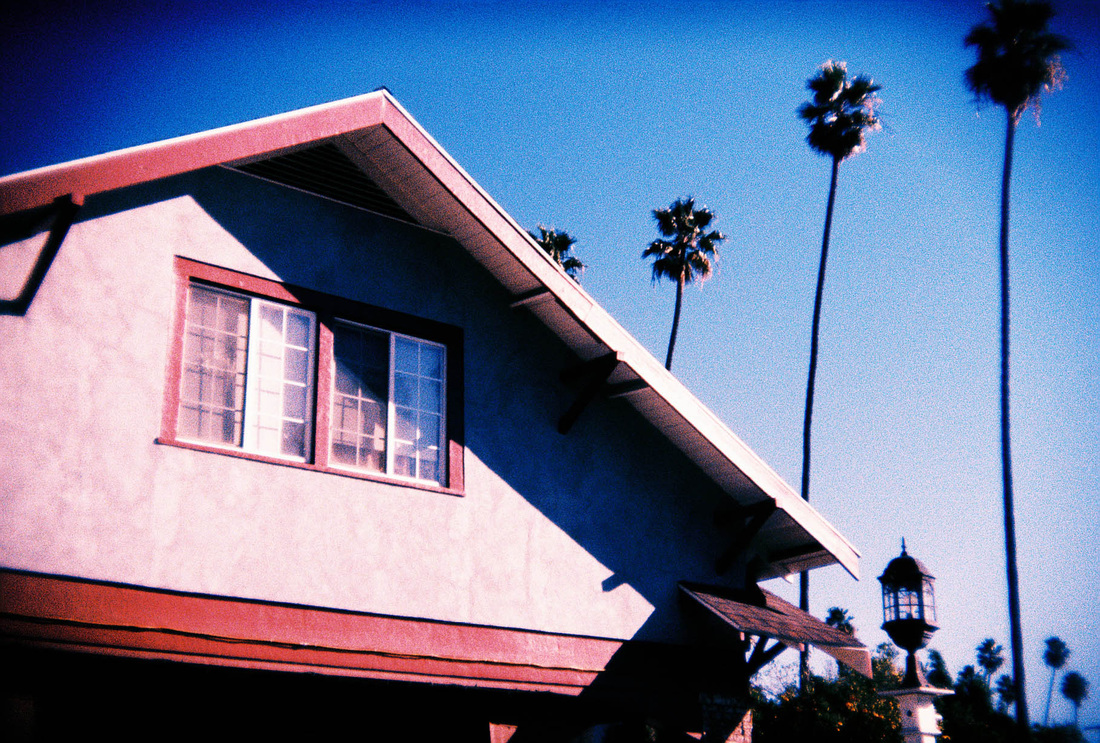
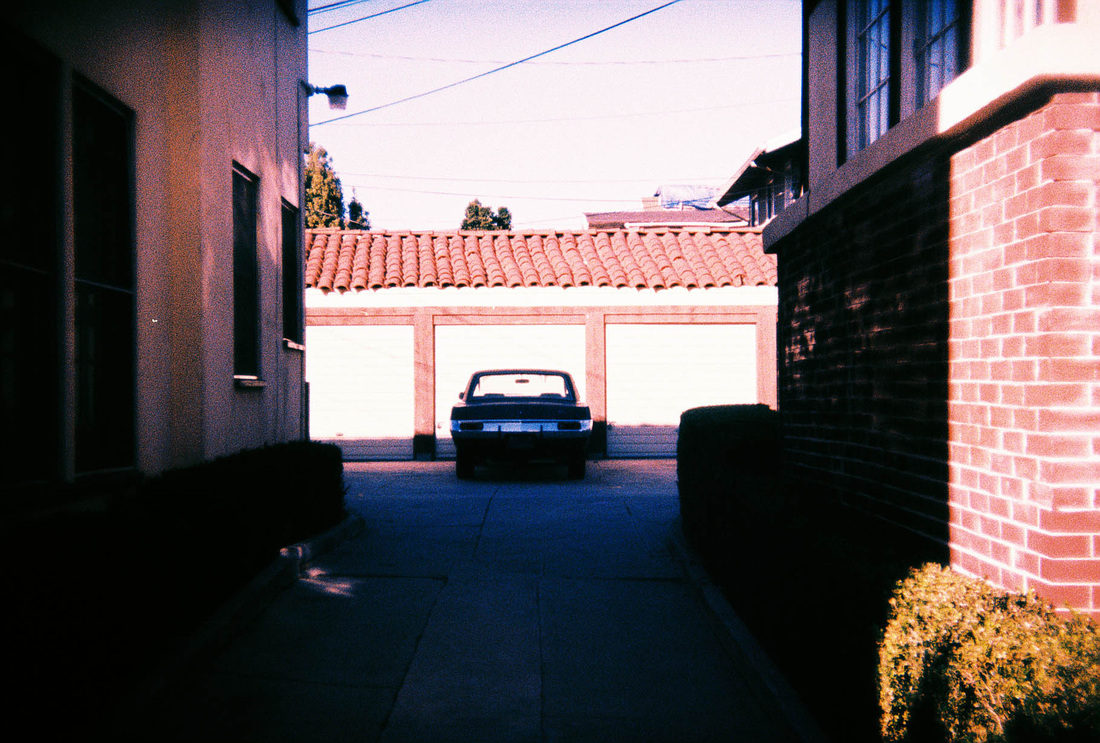
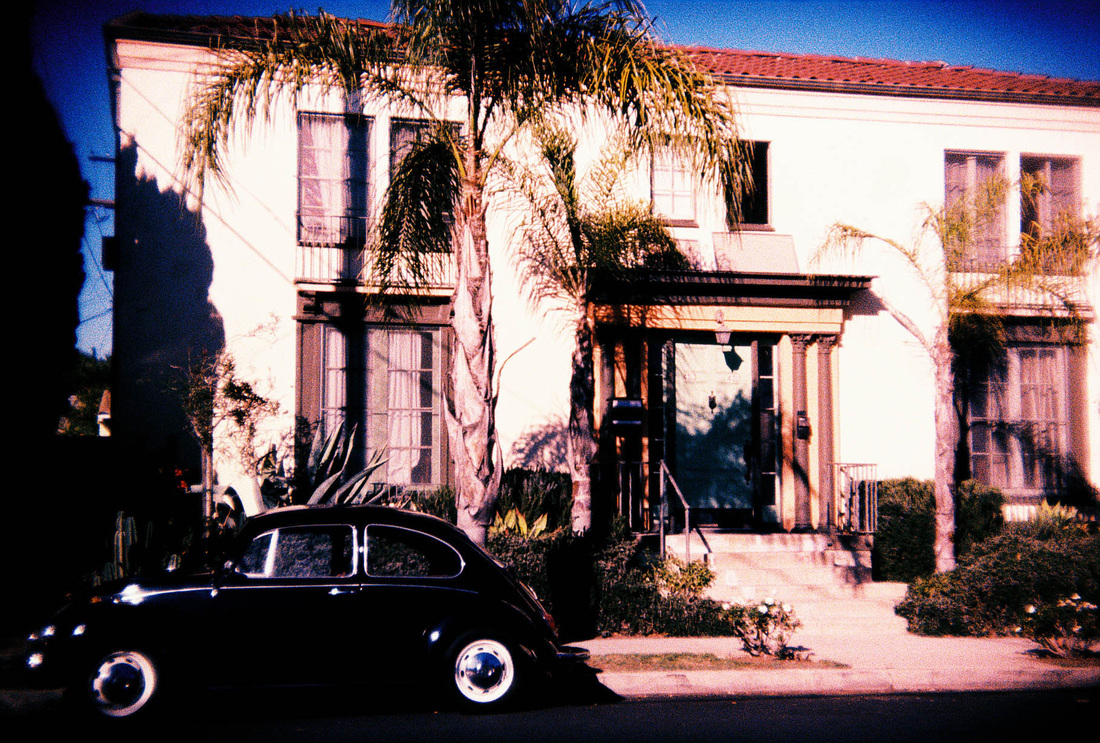
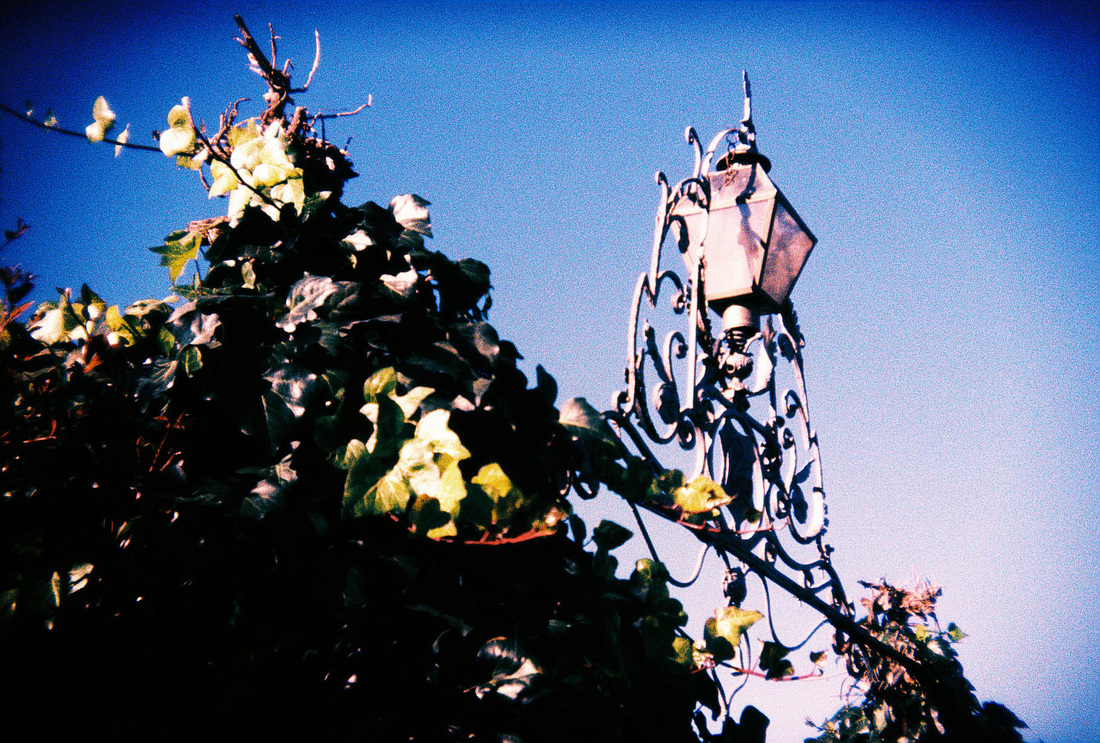
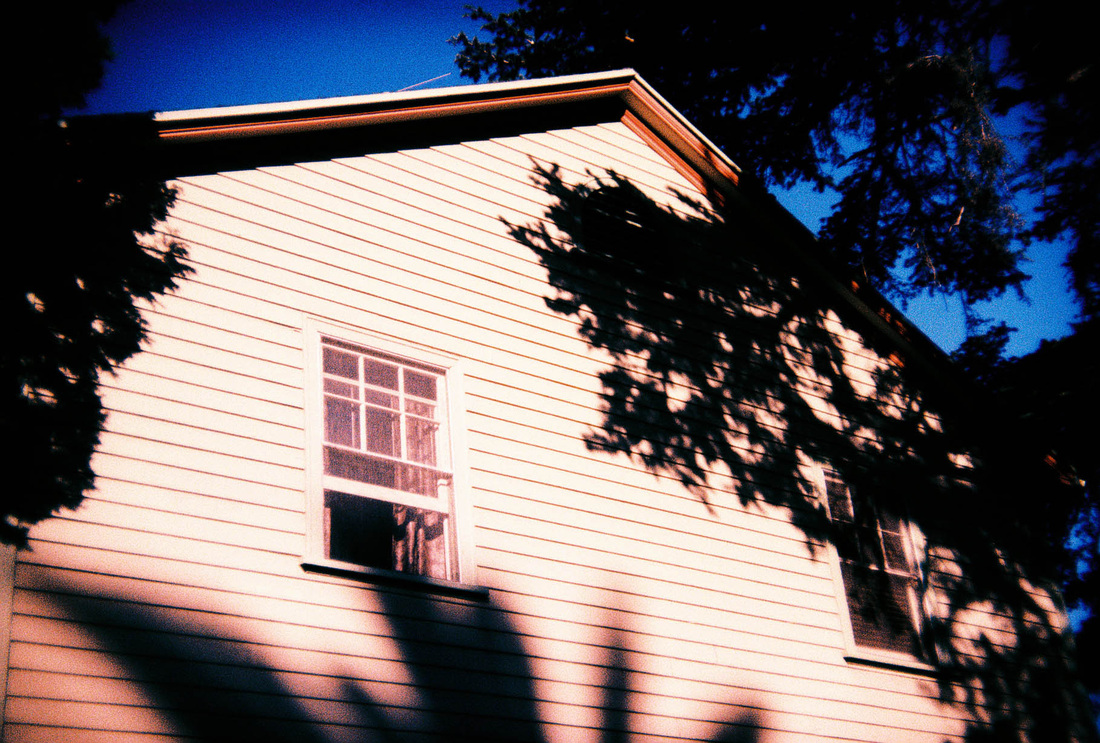
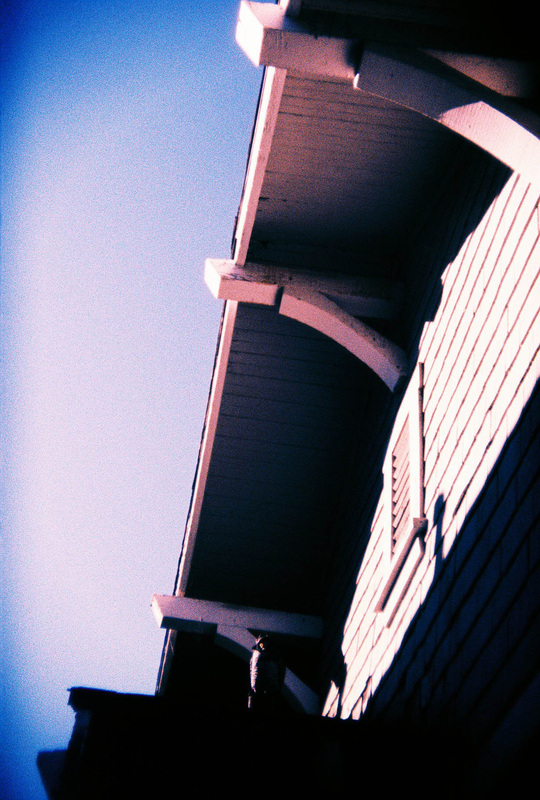
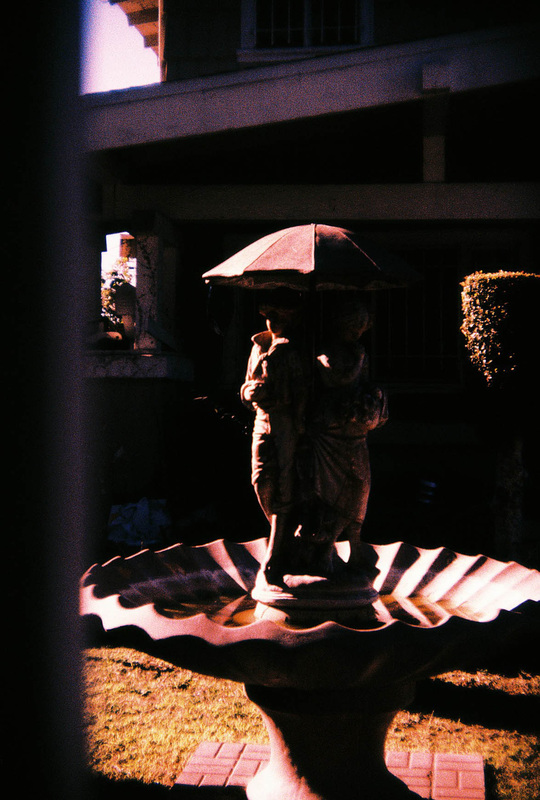
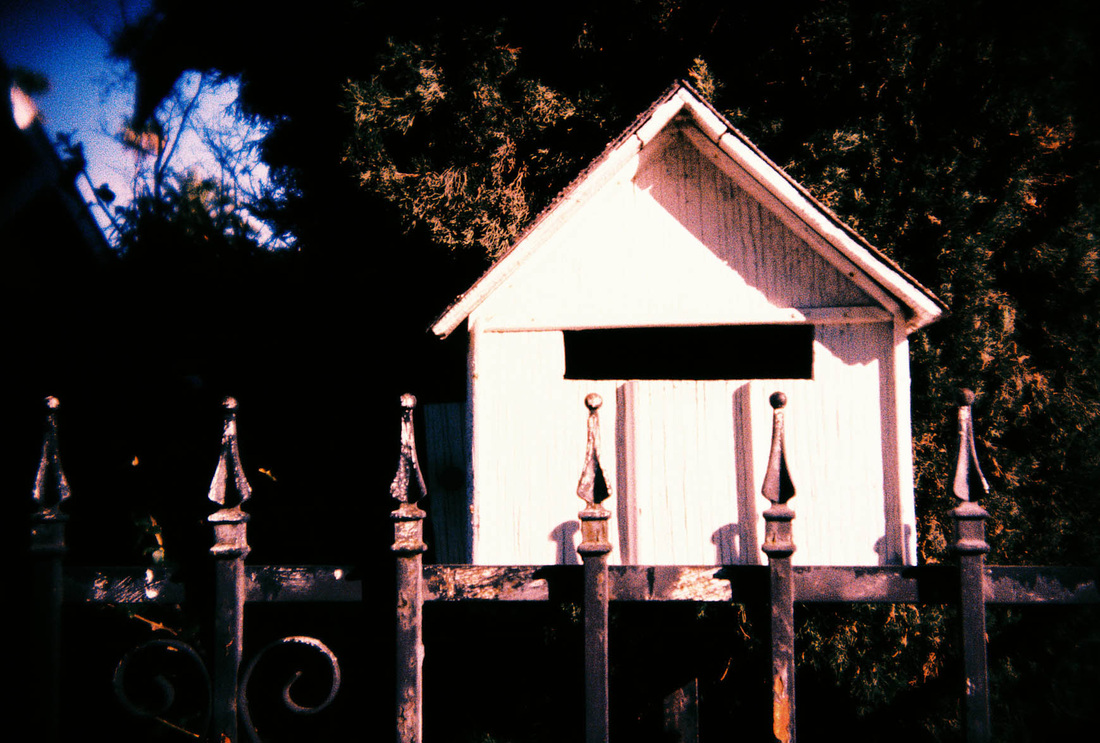
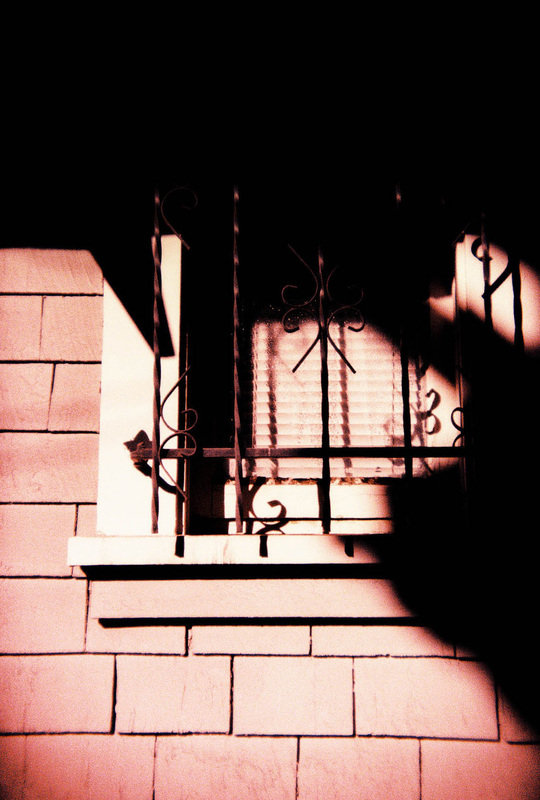
One bright December day, I decided to take a break from street photography and work on a very simple mini-project on my neighborhood. I stepped out the door with my Holga in hand and started snapping away. Not too long after, I was transported into a different era. My fascination with this area started when I found out that most of the houses here stood before World War One. And so after a couple photos, there I was, venturing out to a surreal environment. I traveled a good three-square block and got a tour of Suburban Los Angeles circa 1910-1950. Amazing.
Step outside your house and take a good look around. Then tell me if you find absolutely nothing interesting.
 
 
Growing up, I've always wanted to be some form of artist. Like any average 7 year-old boy, I started drawing pictures of what caught my attention. My frequent subjects were movie scenes and pirate ships. My most memorable, four 8x13 pieces of paper stuck together to show an "accurate" reconstruction of the Titanic.  My childhood masterpiece was then taped to the wall as my lead image to a collection of other drawings which included the wining shot scene of the movie "Mighty Ducks" and a few small ships to further emphasize the magnitude of the Titanic. By posting these images on the wall, I wanted to mimic an atmosphere of being in a gallery or museum.

In my native country of the Philippines, a lot of those we consider as National Heroes were artists like writers, composers and  painters. And it is to no surprise that I aspired to be one. The only irony is that parents usually point their kids to the direction of a "professional" career rather than the arts.

Soon enough I noticed that although through years of practice, my images were never as "accurate" as I wanted them to be. I can't exactly recall the moment but I knew one day I somehow gave up the prospect of being a painter.

Moving to the United States has definitely opened me to more possibilities. Although I have no plans in changing my career in the medical field, I'm still drawn to be an artist. I've embraced photography as my primary form of expression. Bedroom walls became gallery walls, I couldn't be happier.

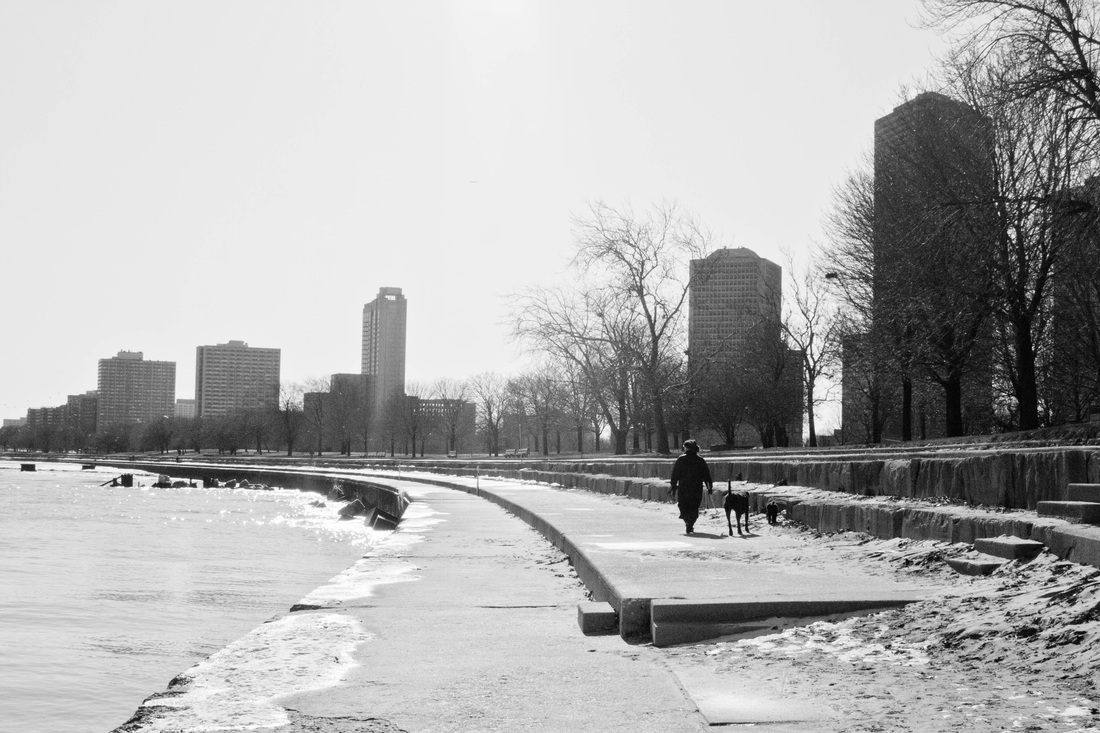
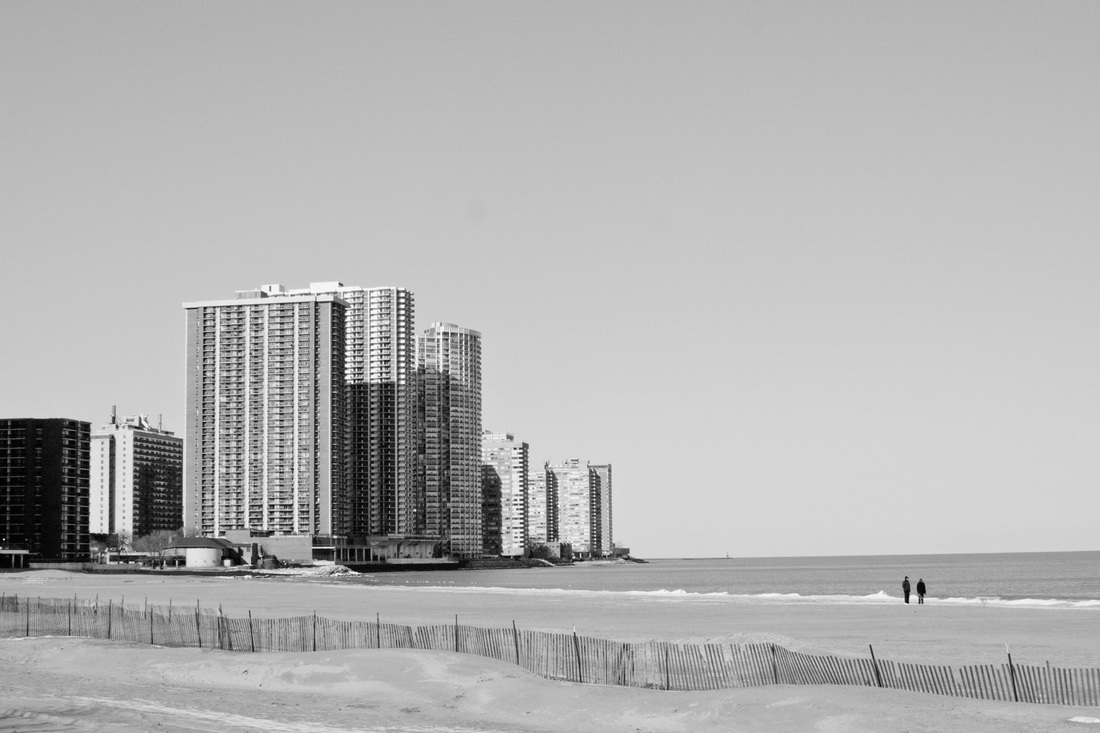
A few of my images from my recent trip to Chicago got me to think about all this and the reason is that I find my images very aesthetically pleasing and quite different from the recent form of street photography that I was developing. I somehow produced images that were very disconnected and more akin to landscapes with people. Then I realized that these images look more like paintings rather than photographs. So I looked back to understand how I subconsciously composed these images. I never had formal drawing or painting training as a child. I just knew what I wanted to re-create.

This mini-series is a very accurate visual interpretation of how I saw these neighborhoods and exactly how I felt while being there. I was simply in awe, most of my time spent in the US was either in the urban jungle of LA or the busy warm coastline of Southern California, so this place was nothing like what I was used to.

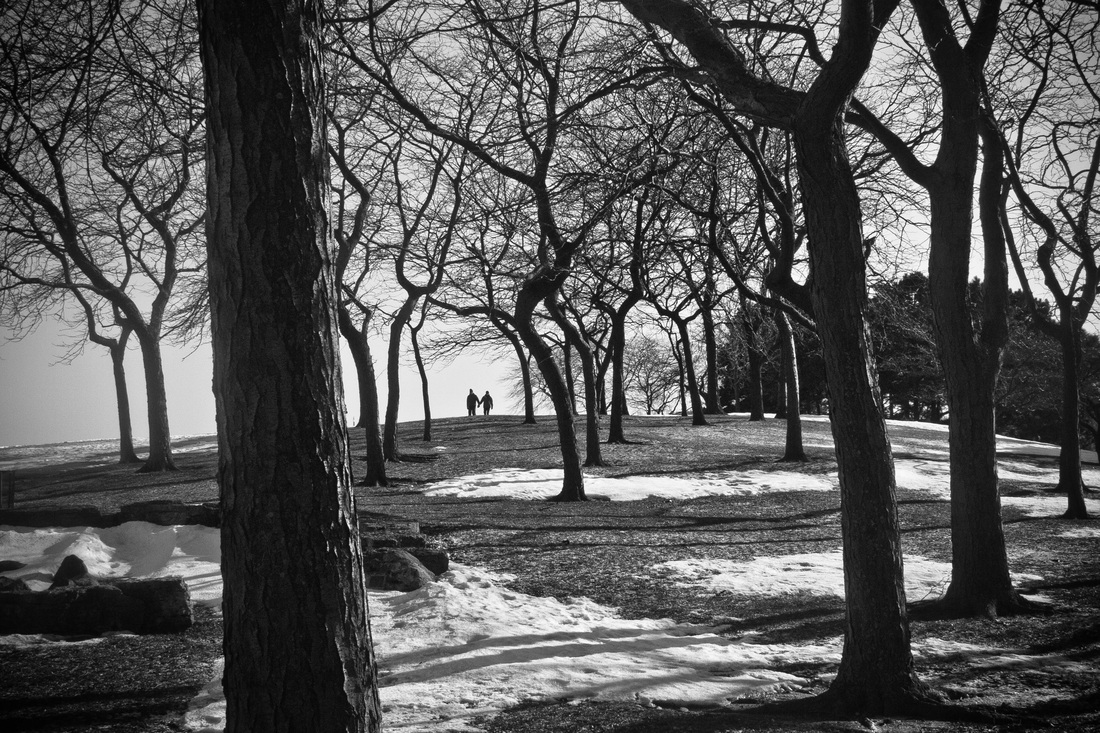
This image was taken at the campus of Northwestern University in Evanston, IL. This scene, although quite cliche still moved me in a way that I felt the connection of being in a complicated path yet still remain unfathomed because of being in the company of someone I trust.
(Click on the images for an awesome view)
I expected people in Chicago to have been dressed exactly like this person in the next image. Everything else was in highlight to show that he is the solid anchor of this image.
The windy city, as Chicago is known, truly is windy. This image shows two people going against the cold and windy weather by hanging out at the beach. The structures provide a perspective in which it shows how miniature people are compared to them.
So the big picture is that I was in awe of how amazing Chicago, Evanston, the northern neighborhoods, Lake Michigan and Illinois was in general. My images simply testified that.

There's always a reason why we do what we do, in my case why I took the type of images that I did. So if you're a photographer, dig deep into why you take the kind of images that you do. If not then simply look back to how you became interested in doing what you love to do.


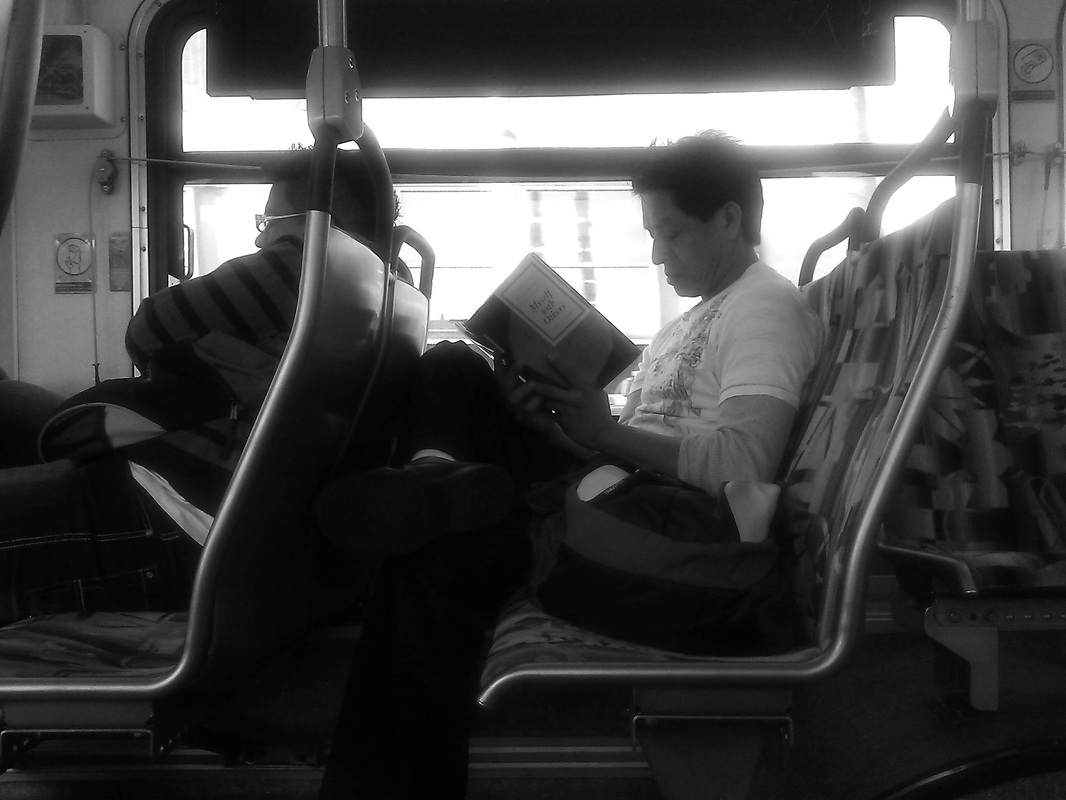
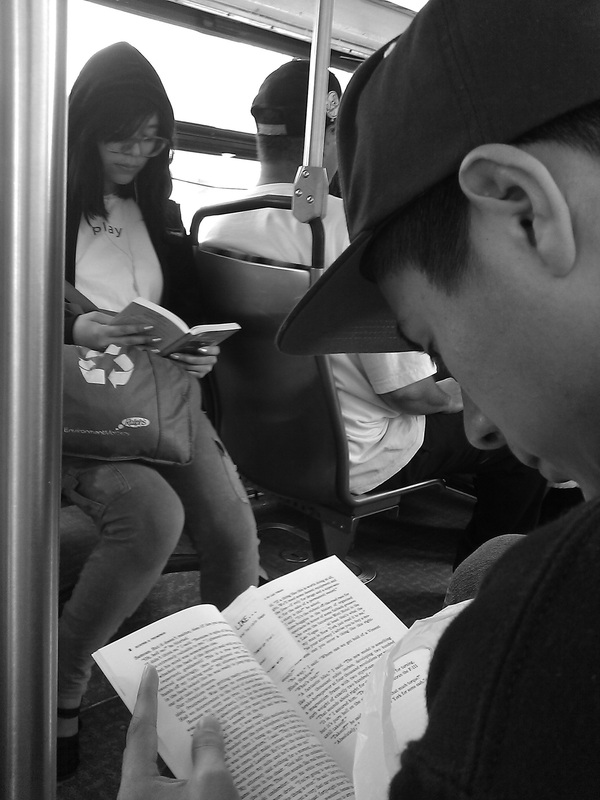
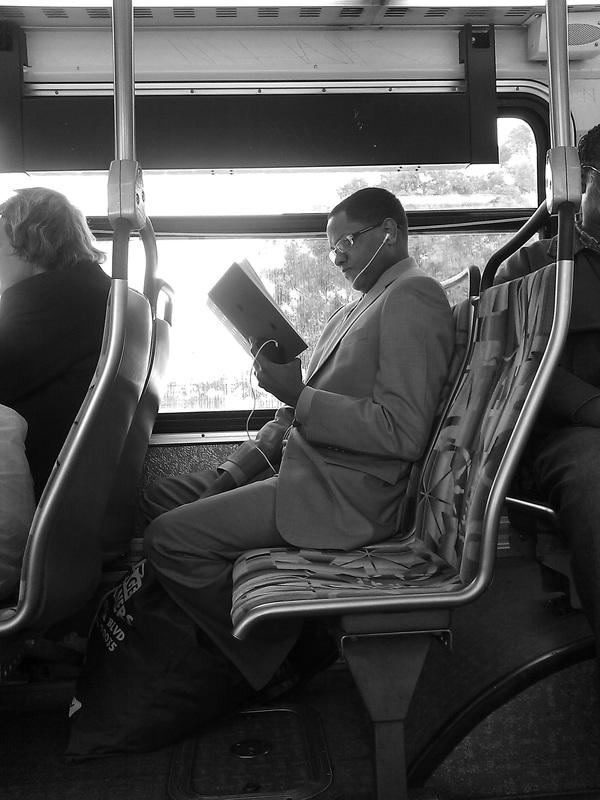
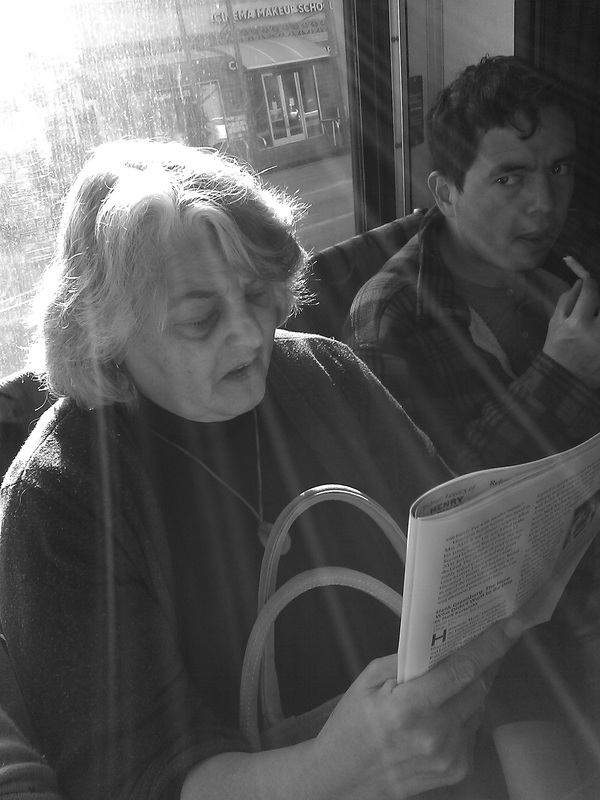
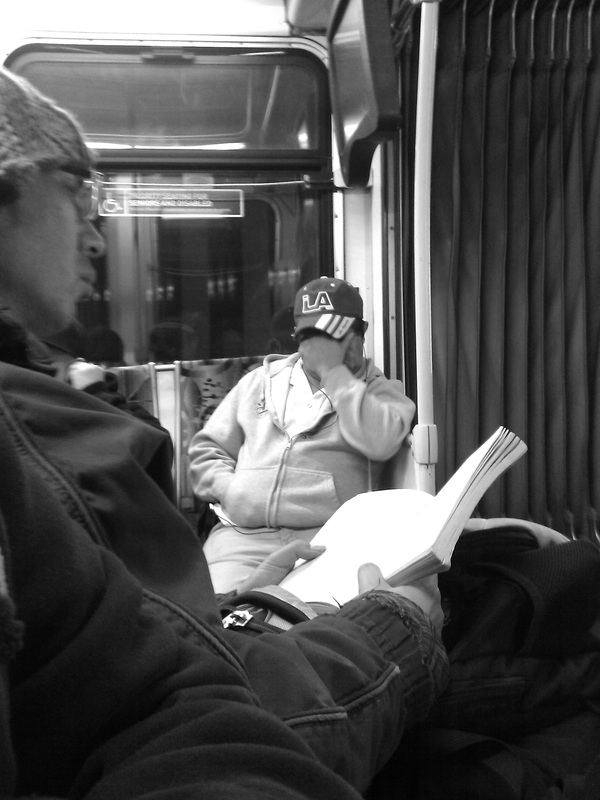
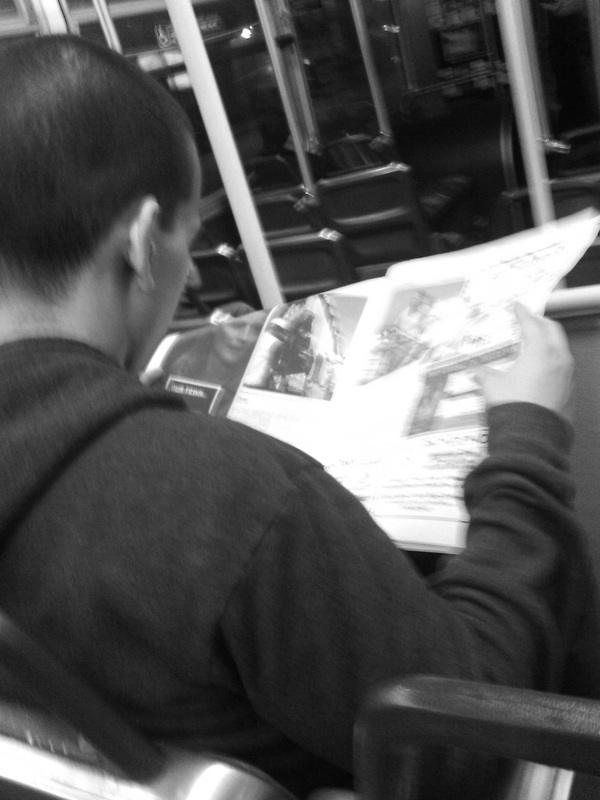
About three months ago I started a new job in Santa Monica, CA. This meant that I had less time to shoot and a lot more time spent on the bus. I didn't want this to be a handicap to my photography and therefore I thought of a way to create something meaningful out of my daily commute. One afternoon to work, I stumbled upon a scene of a young man reading a book beside me. Much to my surprise I didn't think people actually read from print anymore aside from the older generation. I mean, we constantly hear of the collapse and impending doom of print publication. From world renowned newspapers to giant bookstores, this form of media is quickly vanishing from our daily lives due to the development of digital outlets. Let's face it, digital just seems to be the cheaper and more convenient way to publish and distribute information and entertainment.
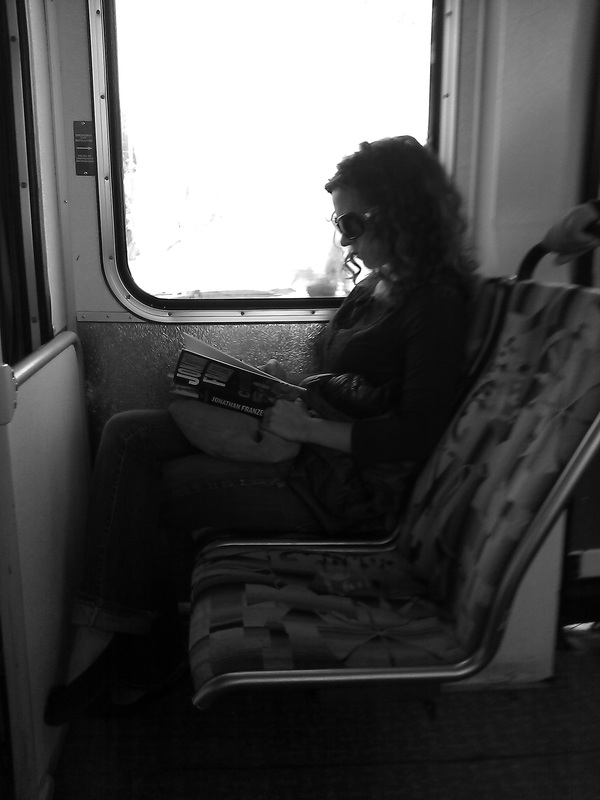
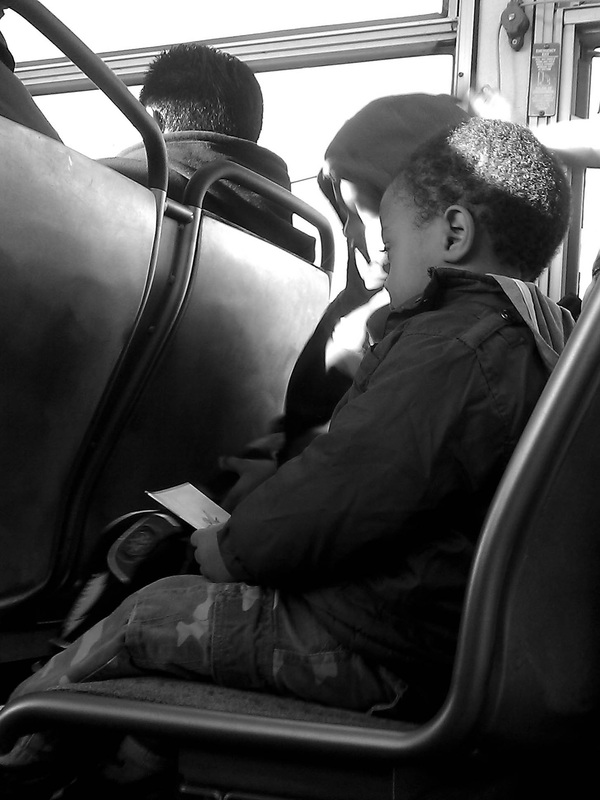
What actually made the sight of a young man reading a book interesting was that at the opposite side of the bus, a young girl was also reading a book. Now, I quickly had that feeling inside of me to document such a hopeful sight, I mean to me this means that our future generation still sought out this tangible carrier of knowledge and information. I believed that my task as a street photographer was to take that photo and share it with the rest of the world, ironically through digital media. At the moment all I had with me was my HTC Windows Phone, yes I actually opted to get a Windows Phone instead of the much superior Iphone or Android.
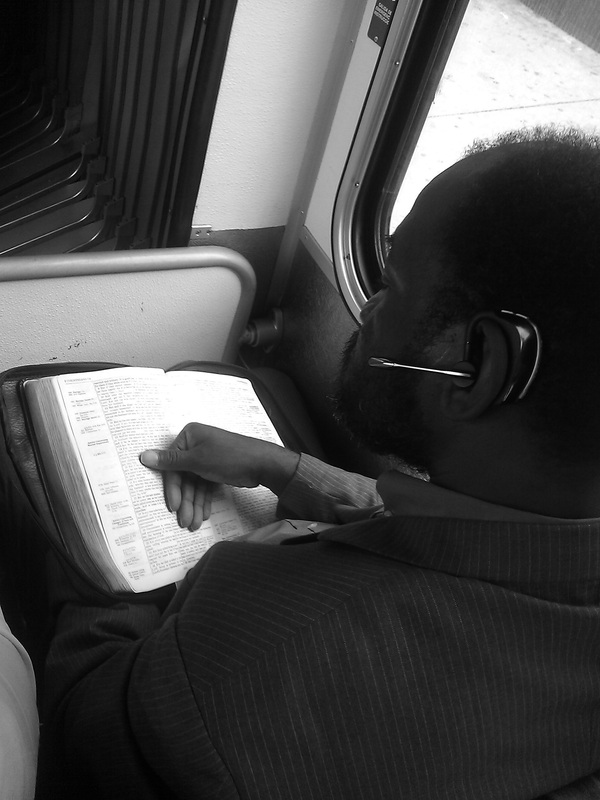
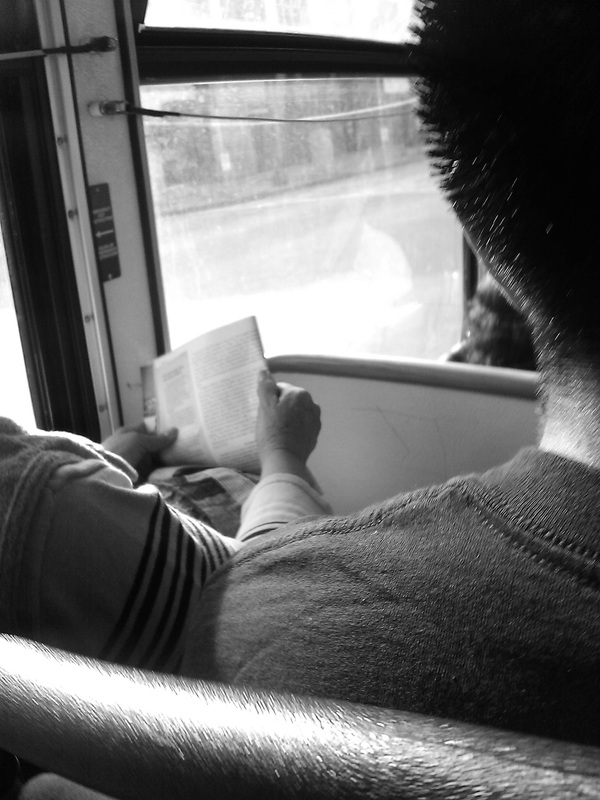
After that incident, I had numerous encounters with people reading print media and I just had document them and create a simple set of images that would actually play an important role in today's society. I would simply like to impose the question: Is print media irrelevant to today's society? My take on it is that for now, print media is still technically a bit cheaper than it's digital counterpart only because devices have quite a price tag. Unless of course we reach the point where we live in a world where all cellphones and tablets become as common and cheap as a pen and paper. Until that day, I believe print media would still be the reasonable choice.
For this short project I drew inspiration from a photo-book entitled Andre Kertesz on Reading. That book showed photos of people reading while juxtaposed and/or aligned with a background or scene.  My friend Eric Kim recently told me, "you know how they say you are what you eat, well I think your photographs are also as good as the ones you look at." My take on reading is that it is important today as it was back then. The only thing changing in our time is the surface from which we read or write.
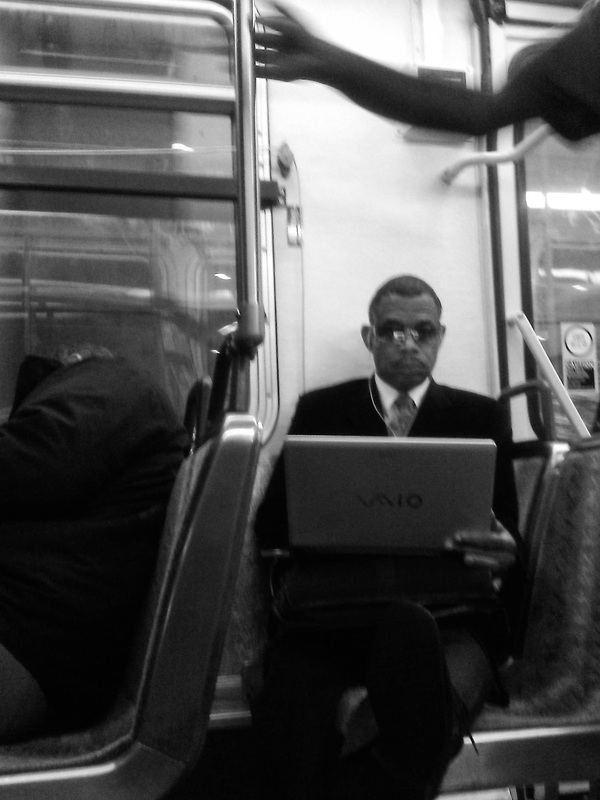
My bus ride would usually take about an hour in the afternoon and thirty minutes late at night. I witness people do different things while on a long bus ride. They eat, sleep, talk, think and as I began to notice, even read. I saw an abundance of people who took that time to read either for information, pleasure or prayer. Also, culture had no significance and neither did age. Everyone still takes the time to read whether print or digital, I believe that as long as we do, people will remain competent and informed.
 
 
Picture
Belmont - one of the neighborhoods in the northern side of Chicago.
Have you ever taken that leap to get on board a plane and visit a city that you've always wanted to go to? Well I never thought of Chicago as one of the places I really want to visit someday which is probably why the city really caught me off guard. Of course I was excited to see one of my dearest friends after quite a while but I was never really expecting that I would be so captivated by the city. However, I expected downtown Chicago to be as majestic as it was but if I could point out the most interesting places, it was the northern neighborhoods.

Picture
Sheffield's Beer and Wine Garden.
Chicago, a city of 2.7 million people and a long history of both triumph and violence. Established in 1833 and still retains it's old rustic feel. I enjoyed this city very much, especially the contrast of brick buildings to modern people.

Picture
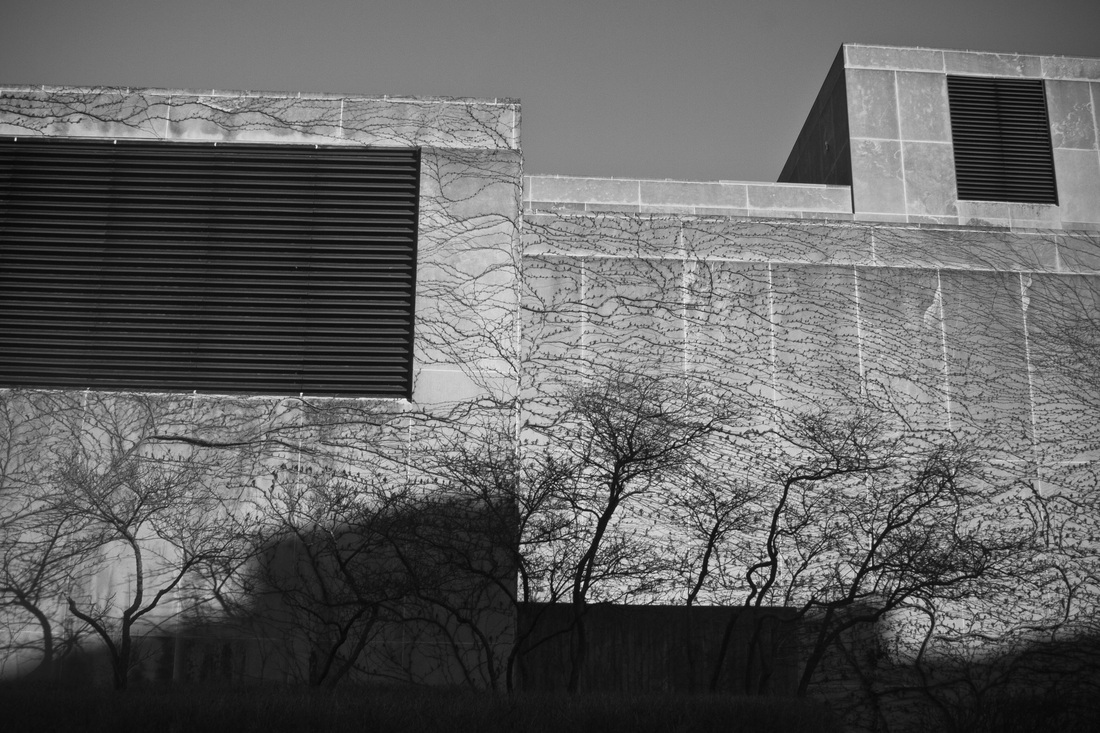
Northwestern University at the northern city of Evanston, IL.

When I first traveled out of my native country(Philippines) to Hong Kong, my family and I were on a tour package which means limited time and multiple stops in per day. On one of those days we were given a "free" day which means there's no pre-planned destination and it gave me the opportunity to walk the streets. Then my 15 year-old self told me that I could never truly experience a city if I don't take the time to really discover and observe the locals not just the place.

Back to Chicago now. I was very fortunate that my friend understood exactly what I want out of a travel experience and that's to go to places less marched by tourists. Along the way I noticed the lifestyle lived by the Chicagoans. The moderate pace and laid back attitude was really apparent especially among people who wait for public transportation.  It must have been the really cold weather that controlled most of the people's tempers.

Picture
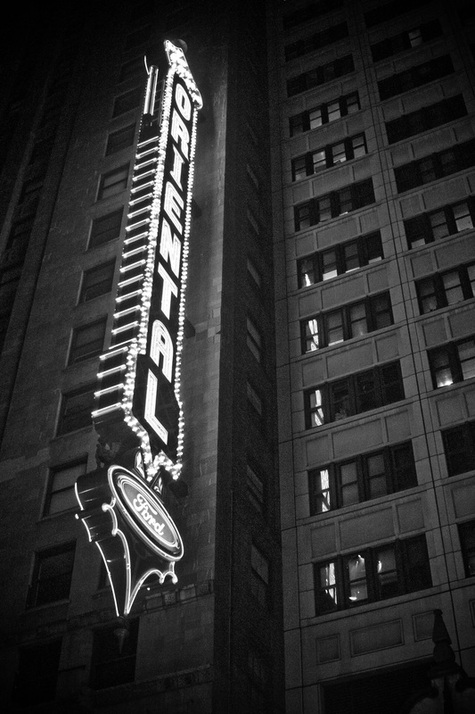
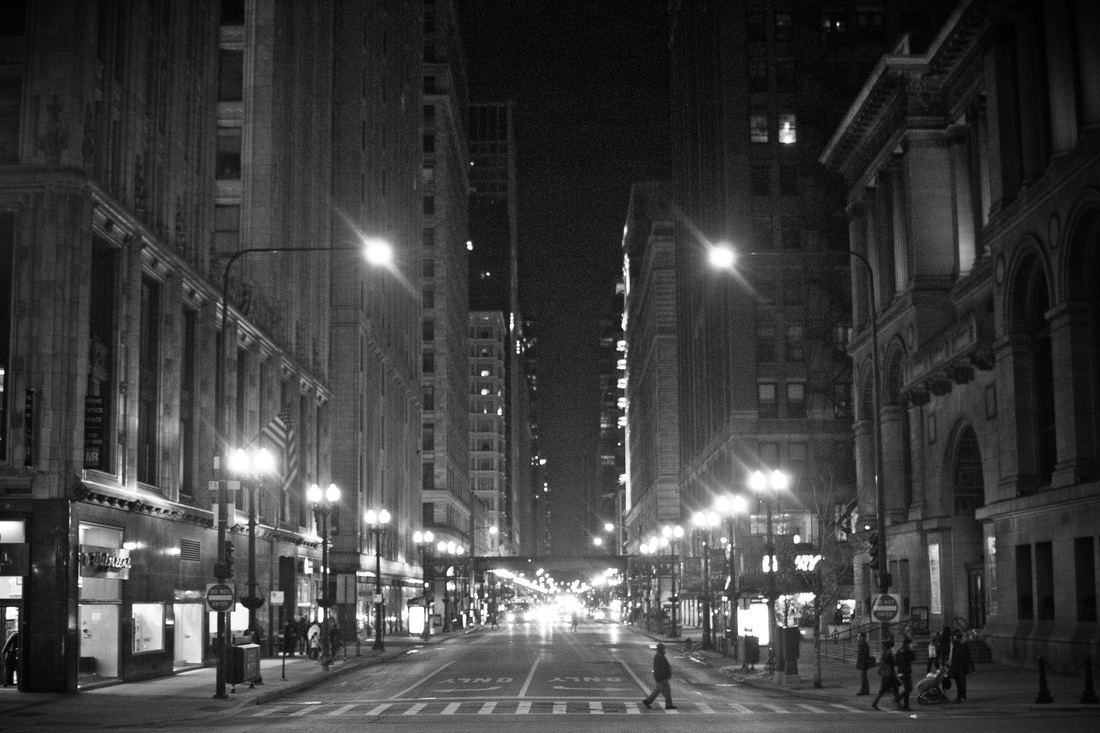
Oriental Theater - downtown Chicago
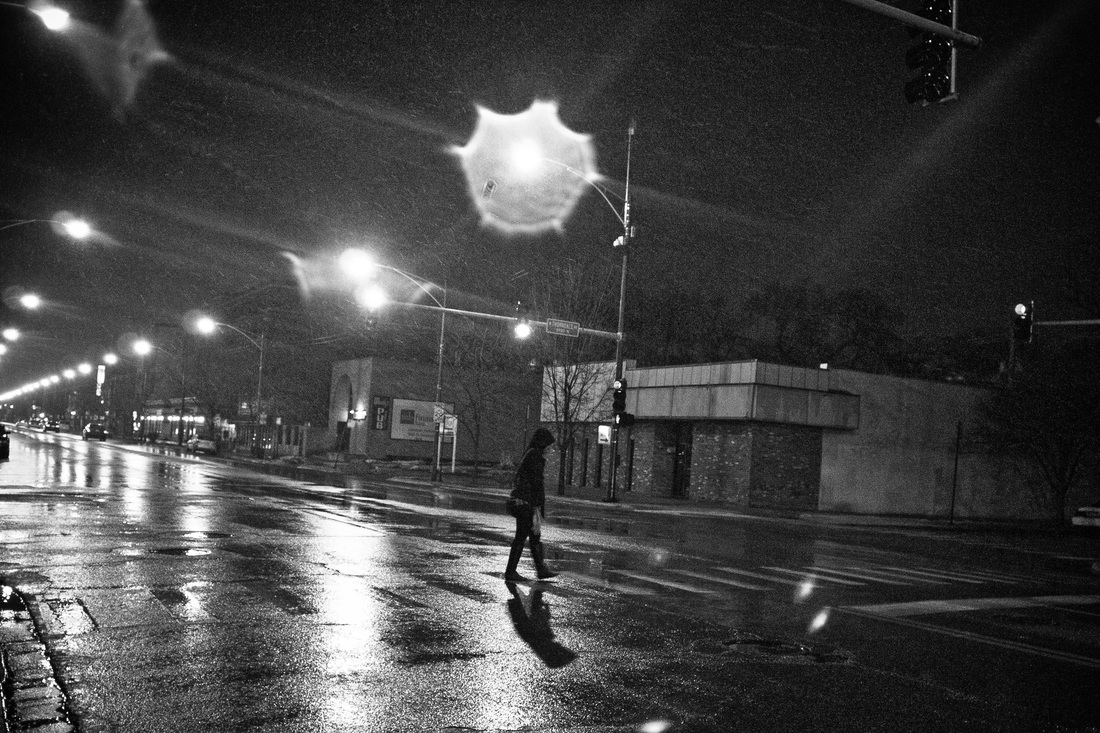
A weekend was too short for a trip to this photo mecca. I wandered around with my friend talking and catching up most of the time so don't expect any zen-like photos taken. Most of these shots were taken in one frame. I would definitely love to come back and shoot some film in this town. I feel like this would be the best way for me to give justice to what this city has to offer. It's the mystique of the cold, dark and snowy night. Who knows what went on on these streets a century ago. And what makes it so special is that even until today people walk the same path and into the same buildings. It's basically looks like an old town with modern people. Dig deeper and might just end up in an era much like that of the 1920's.


Here are some select photos from the trip. Also I have not touched most of the photos from the trip because it will be used for my friend and fellow LA Strettog, Jordan Dunn's Lightroom Workshop in downtown LA.

All photos taken by me with my Olympus EP-1 17mm and 25mm Zuiko lenses. Of course with my very reliable Street Strap courtesy of the awesome Todd Hatakeyama of SimpleStudio Lighting.

Also I recommend flying Virgin America. Affordable price, comfortable ride and convenient on-board entertainment/service. No one paid me to say this although I wish they did.
Picture
Northwestern University - the Harvard of Illinois, or so I heard.
Picture
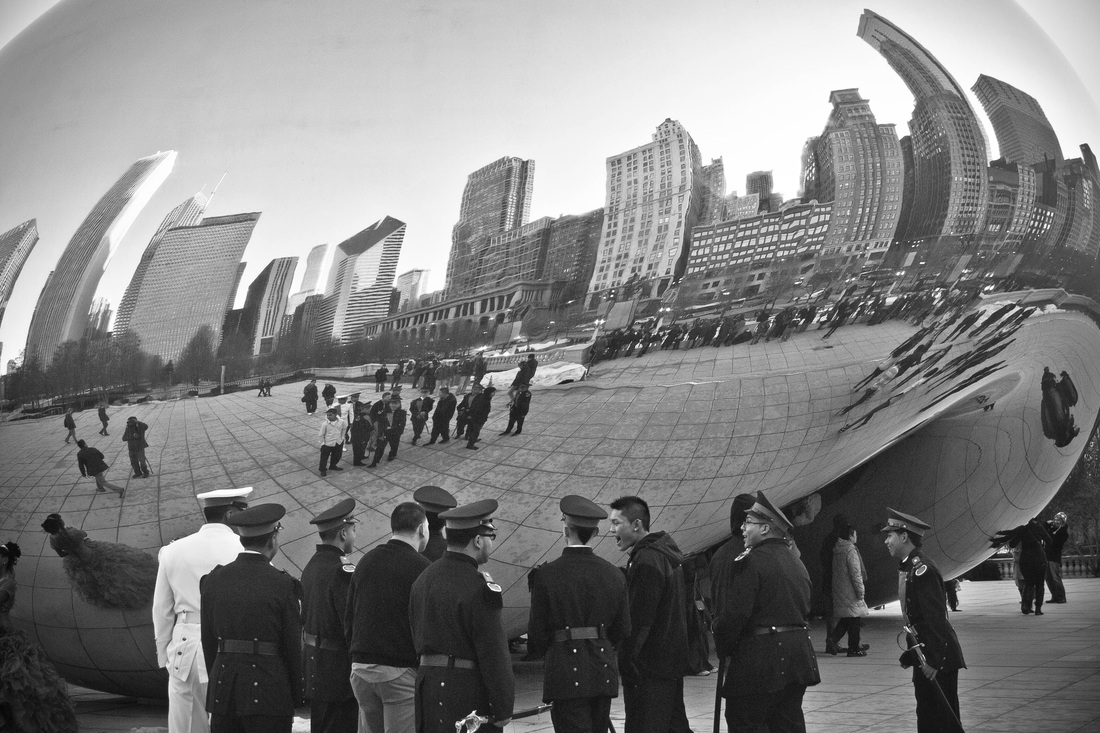
The bean, the skyline and the troops.
Picture
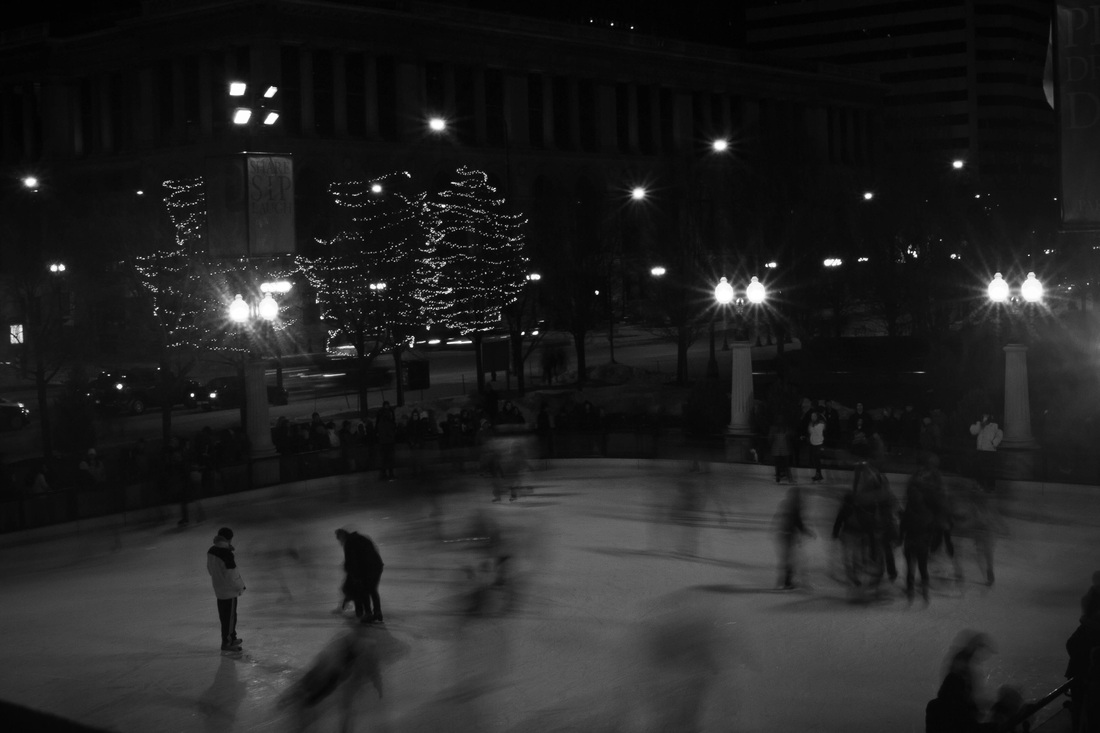
Millennium Park - Downtown Chicago
Picture
Downtown Chicago, every bit as awe inspiring as I thought it would be. And a lot cleaner than Downtown LA, not to mention very walkable.
Picture
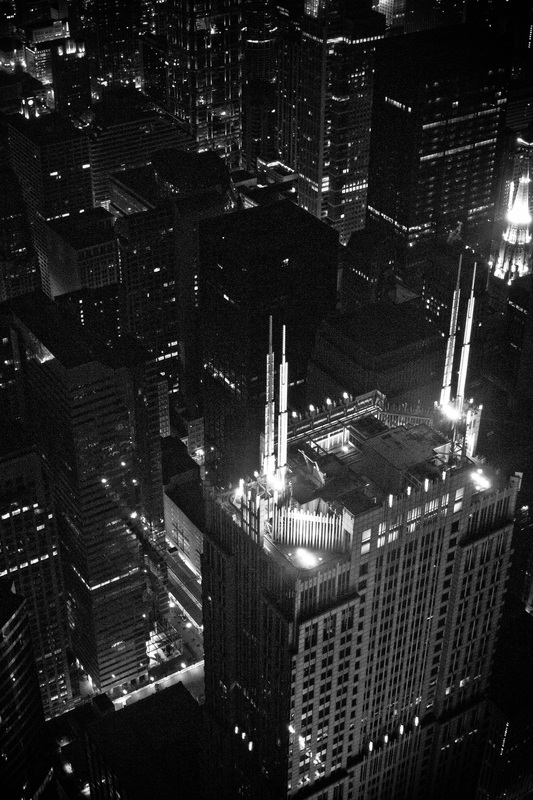
On top of the Willis(formerly Sears) Tower.
Picture
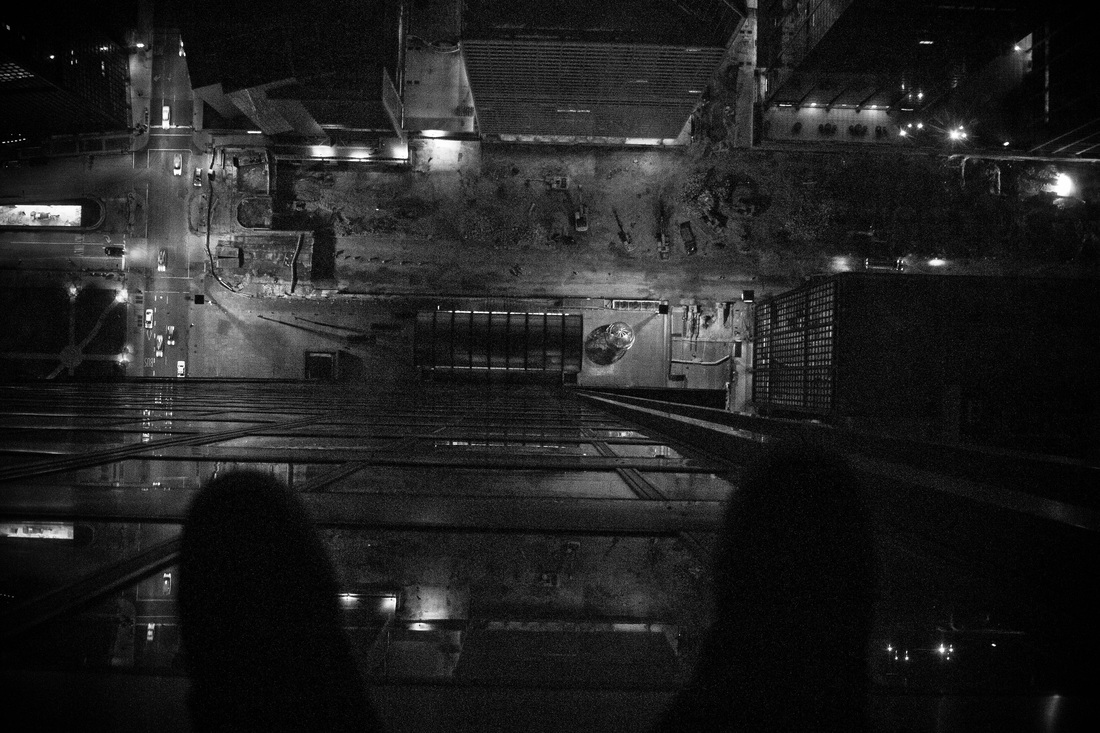
I have a fear of heights, but when I saw a little girl step right on the clear fiberglass, I just had to man up.
Picture
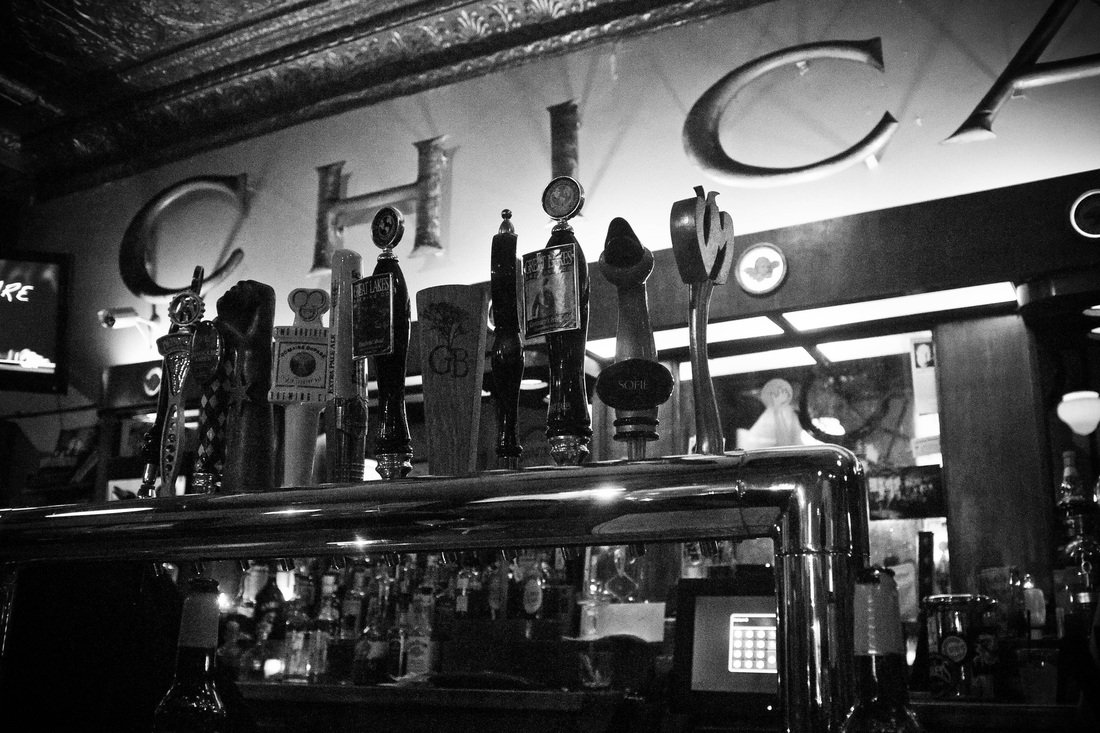
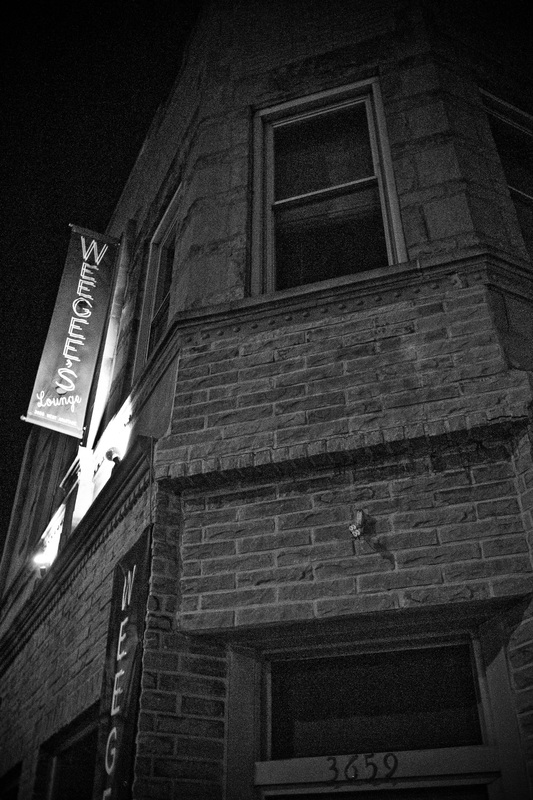
A speakeasy bar dedicated to the one, the only, fabulous Weegee! One of my influences as a photographer.
Picture
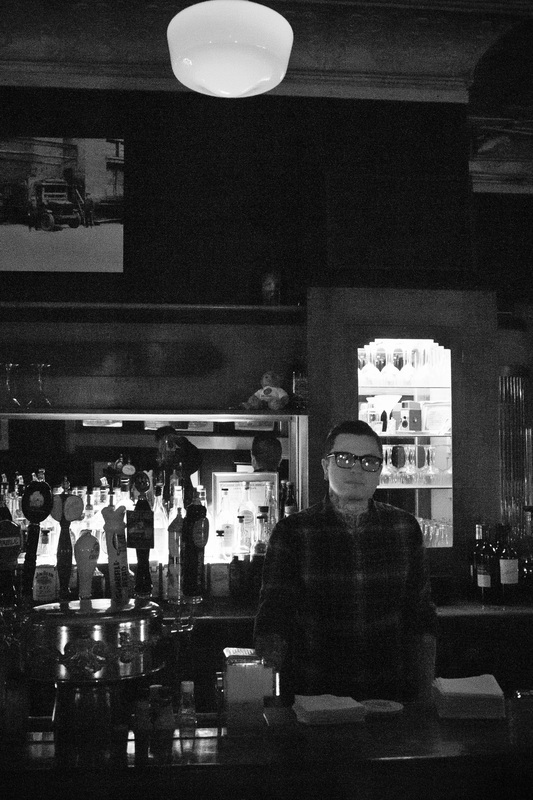
One of the bar keeps who served us three deceiving drinks.
Picture
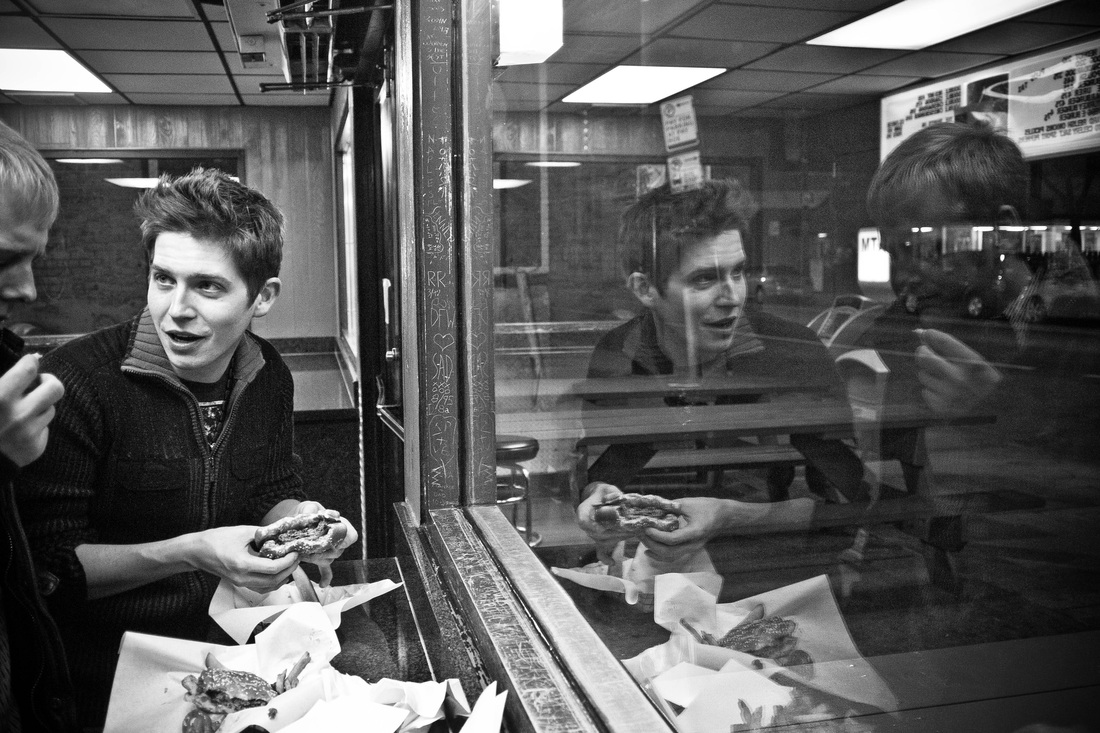
A late Sunday night bite at the Wiener's Circle. YouTube it. Crazy place.
Picture
Special thanks to my friend Jopet Lanzar, chef extraordinaire and his family for generously hosting my stay. Happy Birthday mate, Cheers.
 
 
In a marketing point of view, my last name is difficult to remember and therefore I feel that it's hindering some people from retaining my name. From now on, most of my accounts will be named Norman Vincent, utilizing my second name that I rarely use. It would be awesome if you guys support the launch of my updated Social Networking sites. My portfolio which includes current open projects can be found on this site, streetdisposition.weebly.com (soon to lose the "weebly"). My Facebook fan-page and Google + account will be used to update friends/followers with the latest developments in projects, interviews from the blog, events and other related posts. 500px will contain some of my work with the flash including one open project "The Million Dollar City". Flickr will be the main source of random or organized photos that are not included in any current open project. To connect with me just simply click the specific site on the right hand side of the screen. ----->

Thanks for all the support,
Norman Vincent Estrologo
 
 
Picture
The convenience of digital photography has often taken away some of the learning experiences that film has to offer. Don't get me the wrong way, I shoot 99% digital, and I have nothing on my street photography portfolio that was shot in film. I wanted to change that. I started taking it to the streets about 6 months ago and on my second month I became interested in film, particularly, lomography. Lomography, for those who don't know, is a niche of people who love to shoot film and experiment by combining different film types, feature-specific(plastic or toy) cameras and a lifestyle of shooting anywhere and anytime. Some consider it a fad or a hipster-genre. I hate to admit it but I think it was only a phase for me because after I got my first lomo camera, Holga 135BC, I shot only half a dozen rolls of film until I decided to give it a rest. 

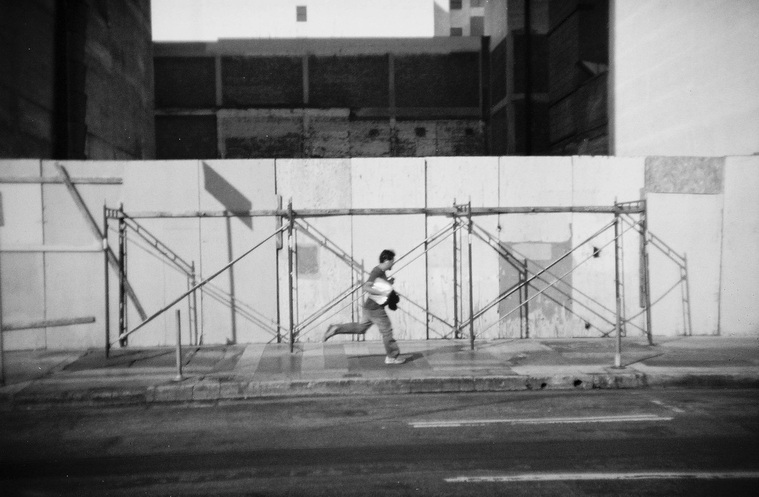
One day I gave my Olympus EP-1 it's much deserved rest after being consecutively used and abused. I dusted off my Holga, fully loaded with a 35mm Fujifilm 400 color negative, and took it to Downtown LA. Never have I felt that this camera was a good investment until now. At $50 this is a fairly cheap plastic camera but what it has to offer is a tip of the iceberg experience of film photography.
 
 
Having fallen into street photography for only about 6 months, I haven't been able to fully define my style. For starters, I prefer if people didn't think of me as a photographer per se because I'm really not interested in any other form of photography except street. Also, I don't make a living out of it. I simply work my day job, run my business and shoot the streets.

Having a certain style in street photography is absolutely essential if you have any plans of being a really successful street photographer. Take for example Henri Cartier Bresson. What's the first thing you associate with his name? "The Decisive Moment" - a mix of geometry and a precise moment in time. Robert Frank? "The Americans" - social documentary and a mirror to society. Bruce Gilden? Street Photography with a flash.
 
 
I came into the Eric Kim Intermediate Street Photography Workshop expecting to work on the style which I was comfortable with at that time: light and shadow. Although I believe I have an interesting set of photos after shooting for about 6 months, I think that this weekend workshop changed everything I thought I knew about my style.

Street photography with a flash was a style I dared not to try because of it's straight up approach and intimidating premise. Not only that, the results I expected to yield was minimal story line and "reaction shots". What I've learned most at the Eric Kim Intermediate Street Photography Workshop was that to truly find your style, you must first identify and try out the different styles for yourself.

I'm aware of my reserved personality. During the first day of shooting Eric, Mattei and I formed a literal FLASH mob. And I believe they took three times as much photos as I did. I was still a non-believer of the potentials of the flash. My epiphany was brought about by a photo I shot of two girls looking at prayers and offerings hanging from a tree. This street photo was definitely not a reaction photo and the moment I saw it on the LCD my mind was struck with a thought. There was so much emotion towards something and the flash was only there to highlight the moment and not disturb it in any way. The mere fact that I was shooting with two highly enthusiastic and talented individuals only inspired me to push even further.
 

    connect:

    Picture
    Picture
    Picture
    Picture